High-Tech Nonwoven Machinery Manufacturer Wilson Wu WhatsApp: +86 13645700210 | 6,000 m2 Manufacturing Base

Daily Materials News

Paper, Nonwoven and Film News for June 7, 2026

Fifteen practical stories selected for overseas buyers tracking tissue capacity, hygiene-line expansion, parent-roll processing and recyclable packaging changes.

2026-06-07 Sunday
HDPTH Daily Market Briefing Paper | Nonwoven | Film

June's strongest signals still point the same way for production teams: tissue and hygiene capacity is expanding, while recyclable film redesign is accelerating, so buyers need cleaner slitting, steadier tension control, and less waste across changing roll materials.

Paper Top 5

Paper & Tissue Market News

Packaging paper demand, tissue investment and recycled-fiber process upgrades that can affect parent-roll supply, machine utilization and downstream converting choices.

1Packaging Paper Demand

AF&PA Reports Higher April Packaging Paper Shipments and Operating Rates

AF&PA said April 2026 packaging papers and specialty packaging shipments increased 5.5% year over year, while the operating rate reached 91.7%, the highest in 13 months, and inventories fell for a third straight month.

Why it matters for converters and machine buyers: When shipments rise and inventories tighten, paper processors usually put more value on uptime, trim control, and faster roll-change efficiency in slitting and rewinding operations.
Source: AF&PA April 2026 Packaging Papers Monthly Report

2Greenfield Paper Mill

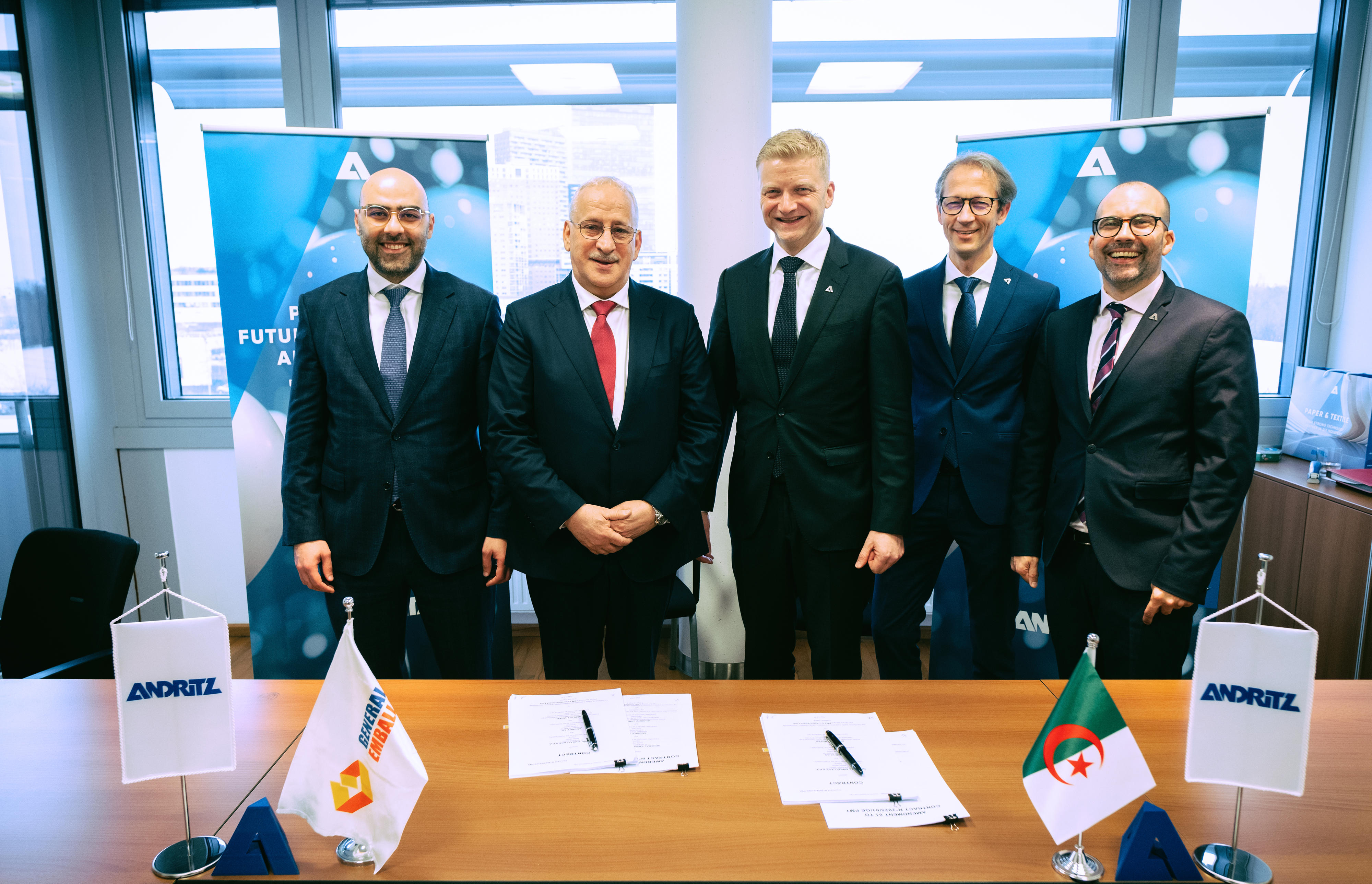
General Emballage Orders Africa's Largest Paper Machine for Algeria

General Emballage paper machine project image from ANDRITZ

ANDRITZ said General Emballage will build a greenfield mill in Naama with Africa's widest and highest-capacity paper machine, designed for 350,000 tons per year of testliner and fluting at 7.5 meters web width and 1,200 meters per minute.

Why it matters for converters and machine buyers: Large corrugated base-paper investment often leads to follow-on demand for winders, roll handling and downstream converting systems sized for larger and faster parent reels.

Source: ANDRITZ on General Emballage's Algeria paper line

3Tissue Market Entry

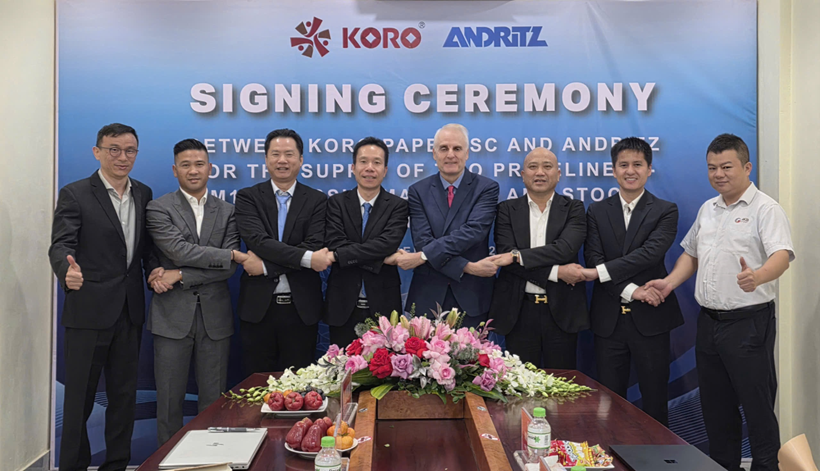
Koro Viet Nam Enters Tissue with Two New Production Lines

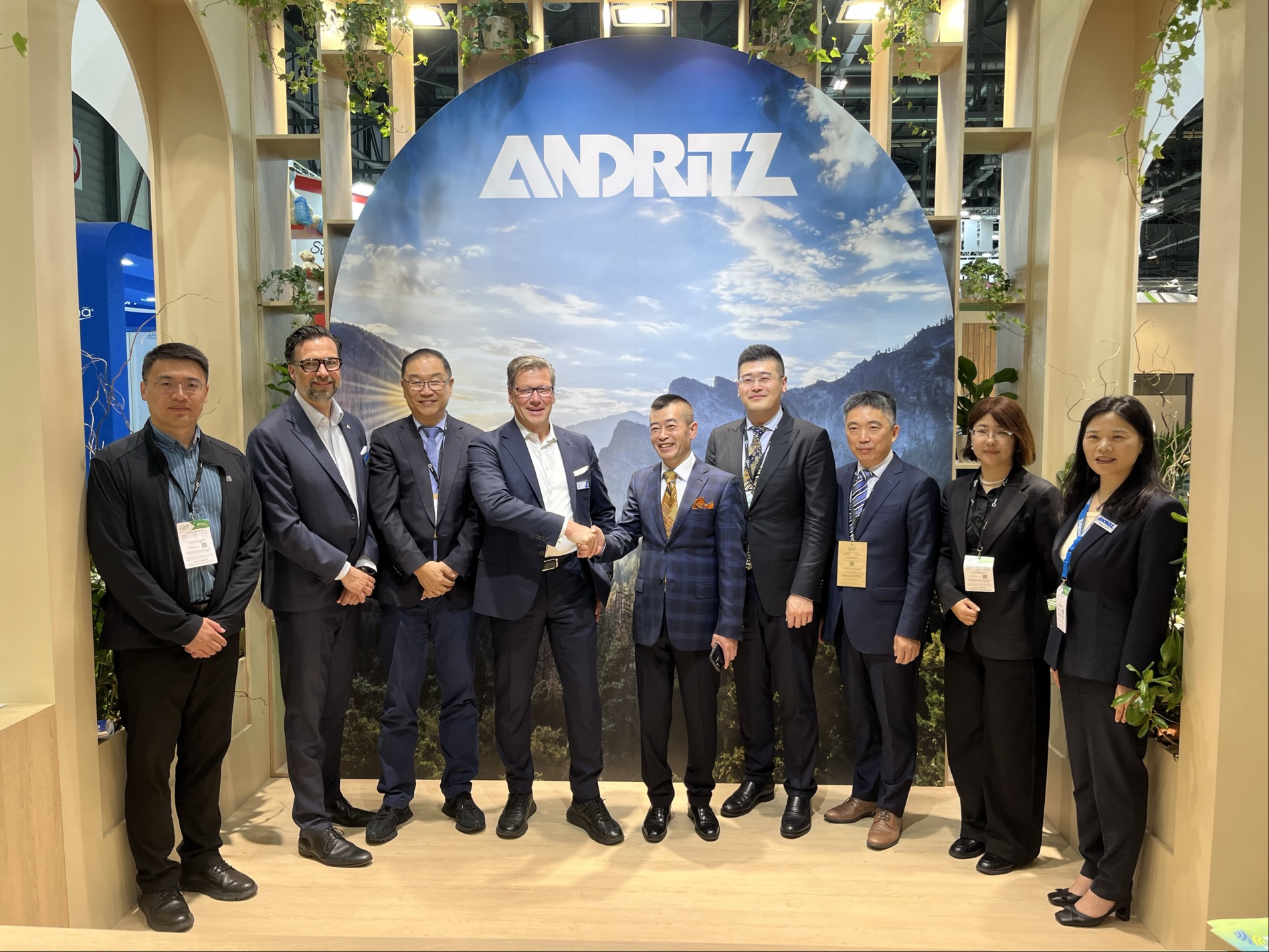
Koro Viet Nam tissue line signing image from ANDRITZ

ANDRITZ will supply two tissue lines to Koro Viet Nam in Thanh Hoa Province, each designed for premium consumer tissue with 3,650 mm width, speeds up to 1,650 m/min, and design capacity of 104.2 tons per day.

Why it matters for converters and machine buyers: New tissue entrants usually build converting and packaging capacity around those jumbo rolls, creating fresh demand for rewinding, embossing, perforation and finished-roll handling equipment.

Source: ANDRITZ on Koro Viet Nam's two tissue lines

4Recycled Tissue Pulp

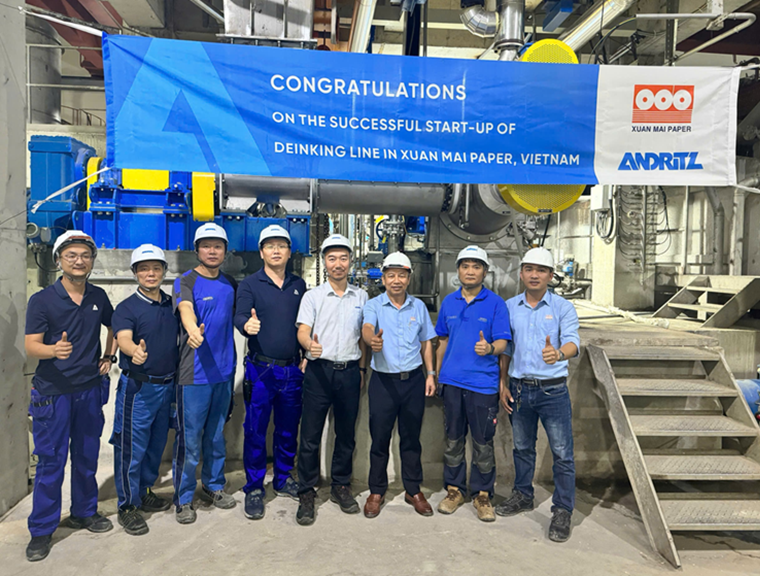
Xuan Mai Starts a Second Deinking Pulp Line for Recycled Tissue

Xuan Mai recycled tissue pulp line image from ANDRITZ

Xuan Mai Paper started up a second 75 t/d ANDRITZ deinking pulp line in Ho Chi Minh City, processing 100% mixed office waste to expand high-quality recycled pulp supply for tissue production.

Why it matters for converters and machine buyers: More recycled-fiber tissue capacity can change sheet feel, dust level and roll behavior, making adaptable converting settings and stable web handling more important.

Source: ANDRITZ on Xuan Mai's second DIP line

5Recycled-Fiber Process Control

Suparma Adds Reject Treatment to Stabilize Recycled-Fiber Paper Production

Suparma selected ANDRITZ to supply a complete coarse reject treatment system for its recycled-fiber-based paper mill in Surabaya, including dewatering and shredding equipment to handle mixed plastics and other contaminants from the drum pulping line.

Why it matters for converters and machine buyers: Cleaner recycled-fiber processing helps mills protect output quality and operating stability, which can reduce downstream variability in roll build, dust, and slitting performance.

Source: ANDRITZ on Suparma's reject treatment project

Nonwoven Top 5

Nonwoven & Wipes Market News

Wipes, diaper and absorbent-hygiene investments that connect directly to parent-roll quality, clean slitting and stronger automation needs.

1Diaper Capacity

ATCO Hygienics Orders a Baby Diaper Production Line in Uzbekistan

ATCO Hygienics diaper line image from ANDRITZ

ATCO Hygienics ordered a new ANDRITZ baby diaper line for its Tashkent plant, with commissioning scheduled for the end of 2026 and a product mix aimed at premium diaper supply in Central Asia.

Why it matters for converters and machine buyers: More diaper output means more upstream demand for nonwoven, film and absorbent-material rolls that must run consistently through slitting, rewinding and roll handling.

Source: ANDRITZ on ATCO Hygienics' diaper line

2Sustainable Wipes Capacity

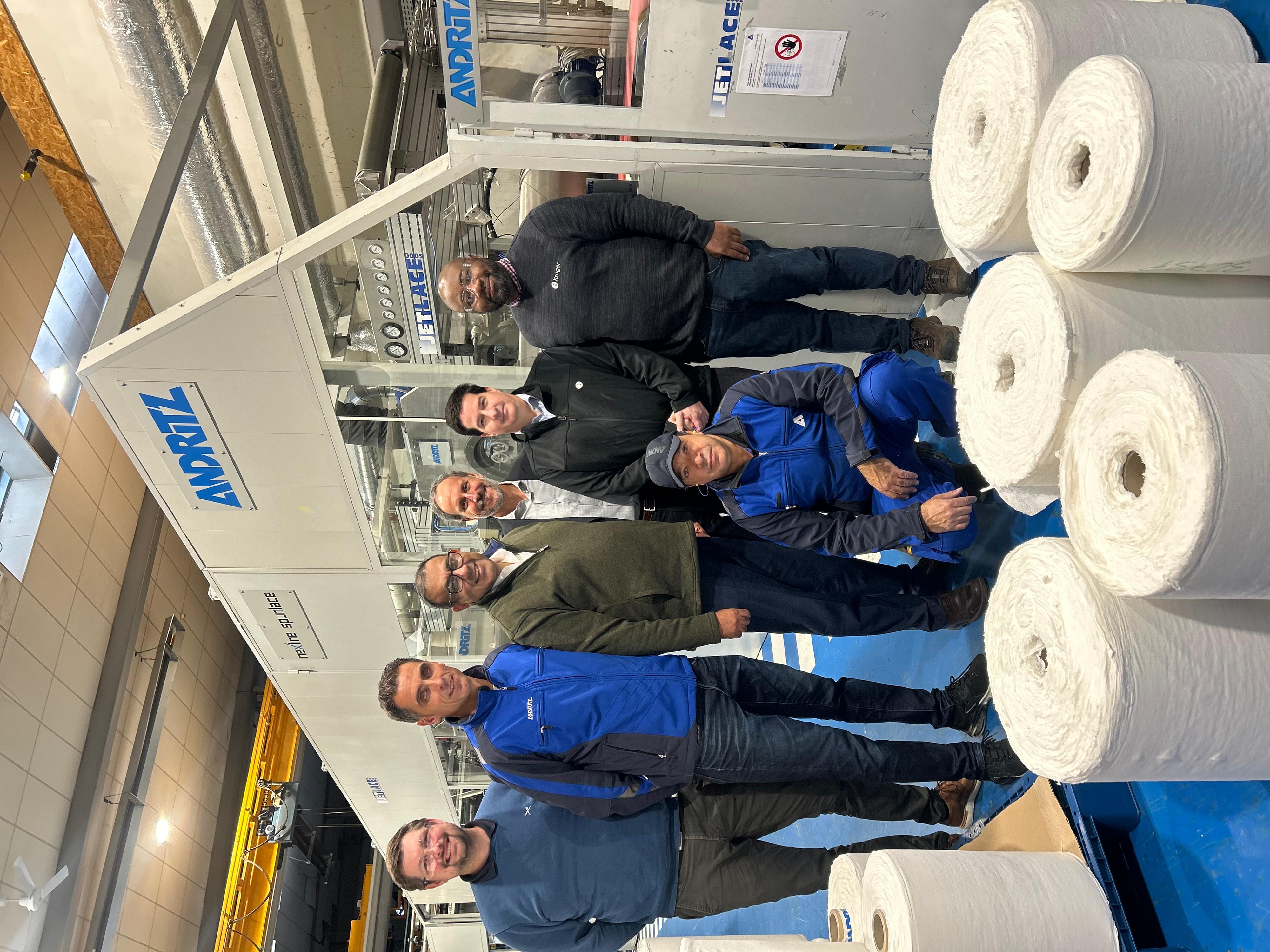
Kruger Commits to Canada's First Wetlace Hybrid Line for Sustainable Wipes

Kruger Nonwovens Wetlace hybrid line image from ANDRITZ

ANDRITZ received an order from Kruger Nonwovens for a complete Wetlace hybrid line at Wayagamack in Quebec, where Kruger plans to produce plastic-free, chemical-free wipes materials from 2028.

Why it matters for converters and machine buyers: Pulp-rich wipe substrates can be less forgiving in downstream processing, which makes web cleanliness, tension control and finished-roll stability more important when selecting equipment.

Source: ANDRITZ on Kruger's Wetlace hybrid line

3Absorbent Hygiene Expansion

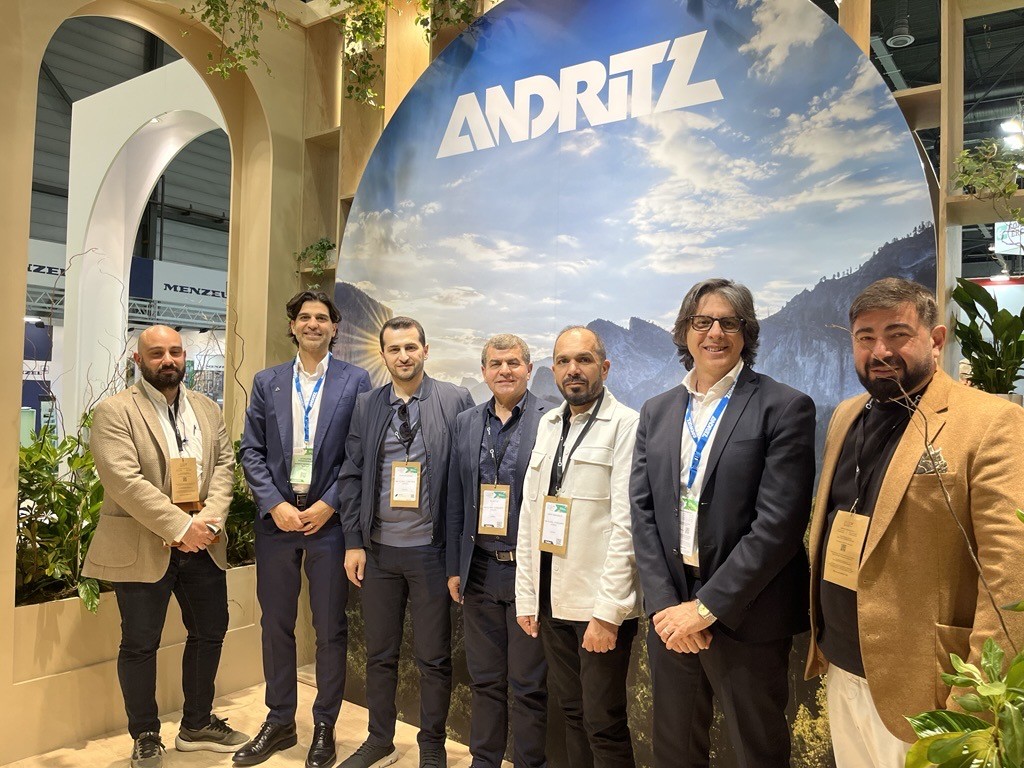
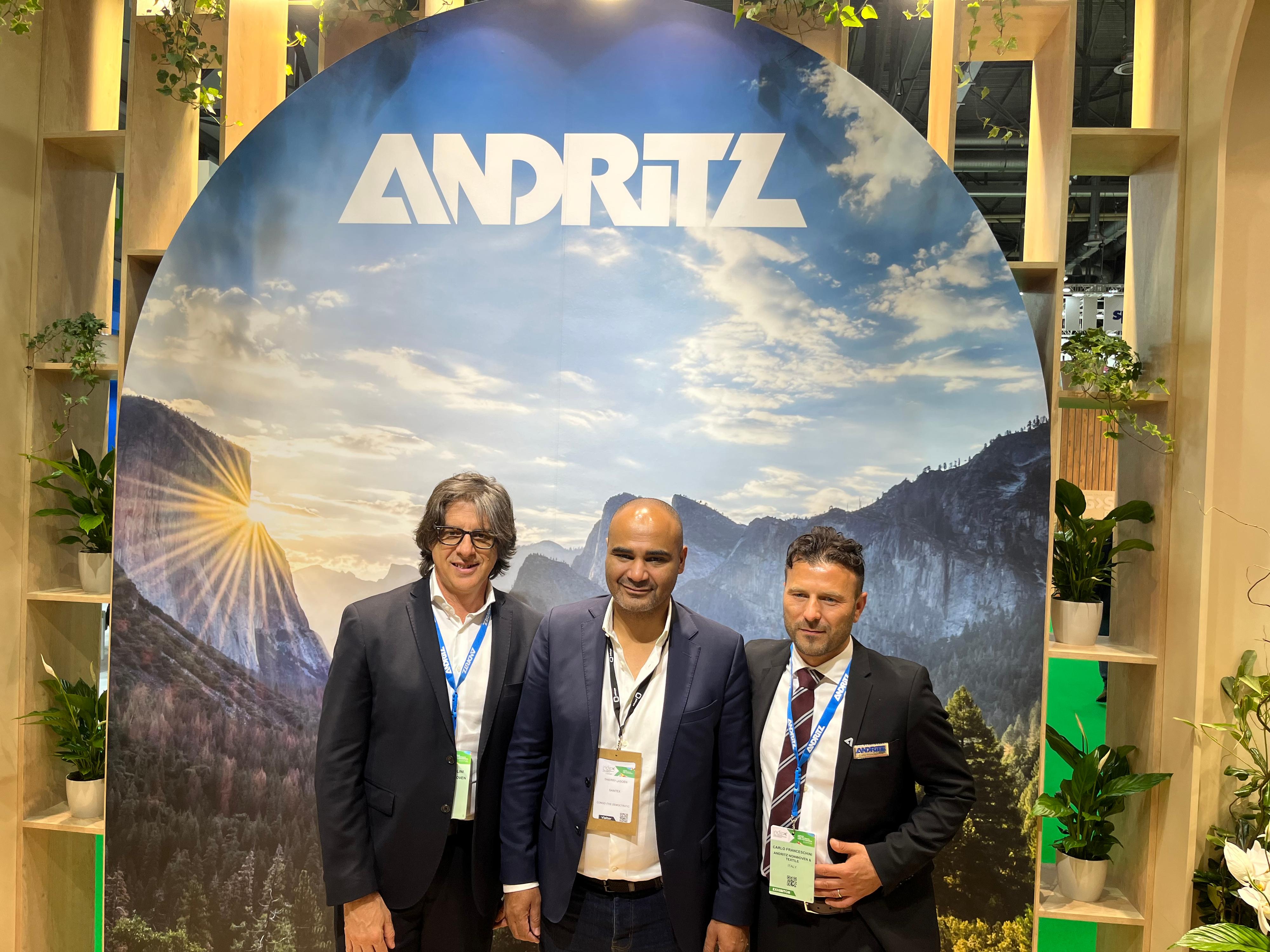
Sanitex Orders Three New Hygiene Lines for Congo

Sanitex hygiene line order image from ANDRITZ

Sanitex in Kinshasa ordered two baby diaper lines and one sanitary napkin line from ANDRITZ, including advanced absorbent-core forming, precise SAP dosing, web tension control and quality inspection systems.

Why it matters for converters and machine buyers: Multi-line hygiene expansion with tighter quality systems raises the bar for cut quality, roll build and upstream material consistency.

Source: ANDRITZ on Sanitex's hygiene line order

4Flushable Wipes

Dalian Ruiguang Expands Flushable Wipes Capacity Again

Dalian Ruiguang flushable wipes line image from ANDRITZ

ANDRITZ will supply another Wetlace line to Dalian Ruiguang for premium flushable wipes roll goods, lifting total annual capacity to 40,000 tons and targeting materials that meet newer flushability standards.

Why it matters for converters and machine buyers: Flushable and biodegradable wipes are less forgiving materials, so converters need stronger control over tension, edge quality and roll hardness.

Source: ANDRITZ on Dalian Ruiguang's new Wetlace line

5Vertical Integration

Aksan Kozmetik Moves Upstream with a High-Capacity Spunlace Line

Aksan Kozmetik spunlace line image from ANDRITZ

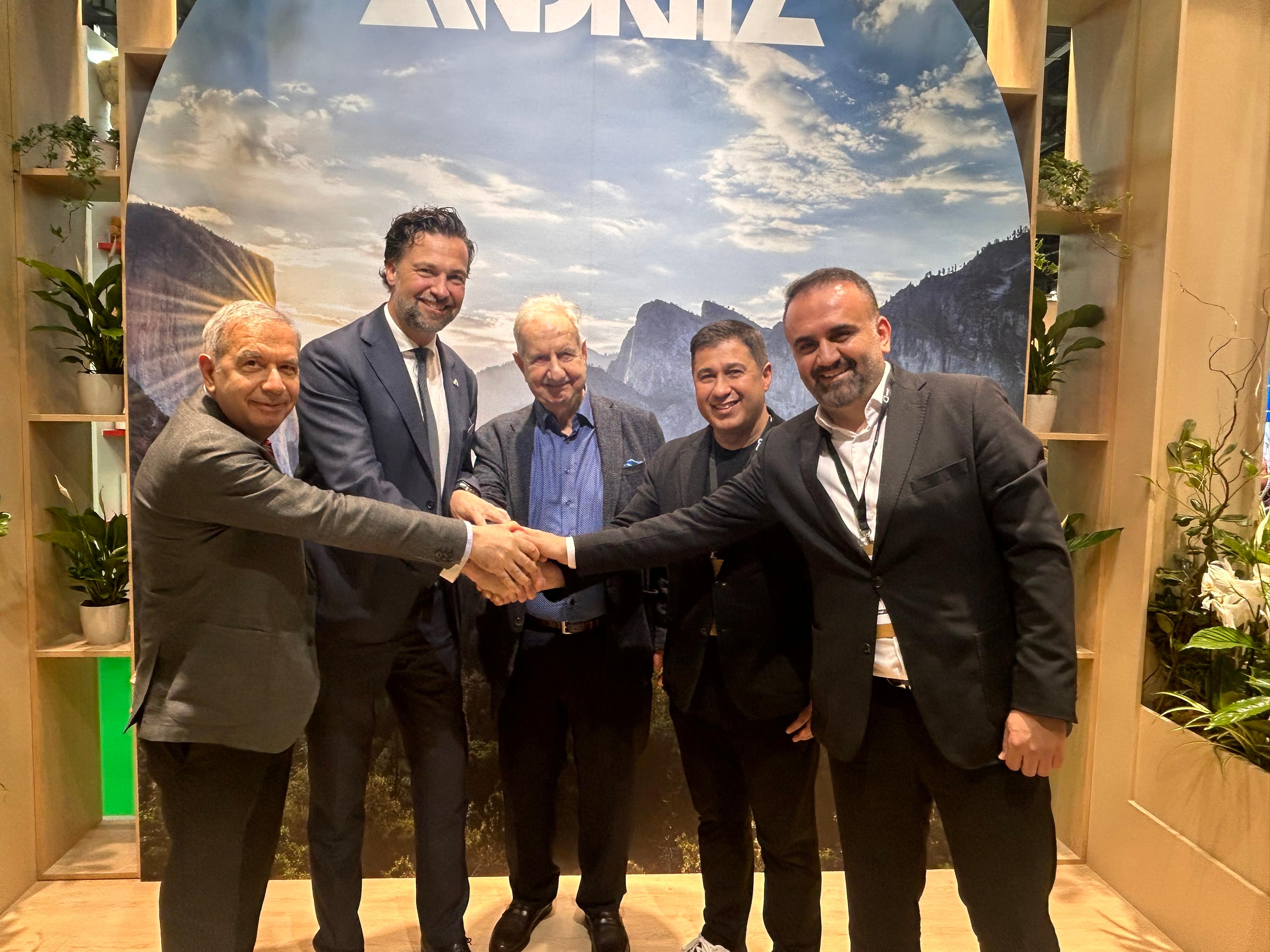
Aksan Kozmetik in Turkiye ordered a complete high-capacity spunlace line from ANDRITZ so it can make nonwoven rolls in-house and secure more reliable supply for its own converting operations.

Why it matters for converters and machine buyers: This is a clear sign that wipe producers are moving upstream to control cost, delivery risk and substrate quality before downstream processing.

Source: ANDRITZ on Aksan Kozmetik's spunlace line

Film Top 5

Film & Flexible Packaging News

Recyclable structures, mono-material qualification and recycled-content pressure that can change slitting behavior, seal windows and film-converting qualification work.

1Wet-Wipe Packaging Film

Mondi Launches a 35% PCR Wet-Wipe Packaging Film That Runs on Existing Lines

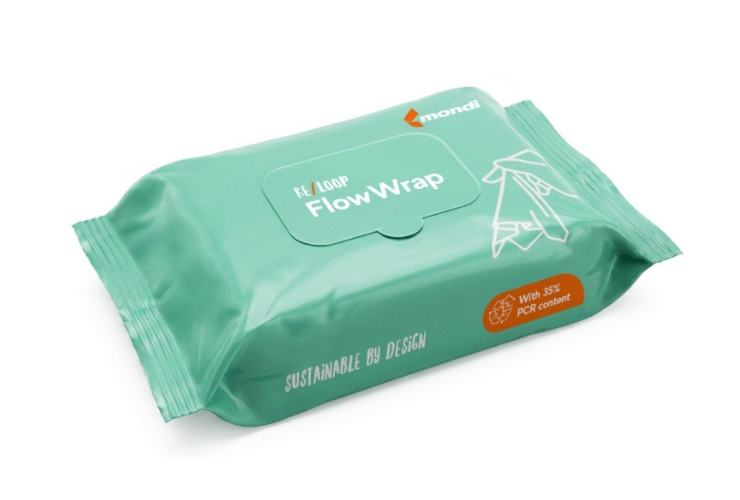
Mondi reloop FlowWrap wet wipes packaging film image from FlexoTech

Mondi introduced re/loop FlowWrap, a mono-PP wet-wipe packaging film with 35% post-consumer recycled content. The company said external trials confirmed high-speed running on existing packaging equipment.

Why it matters for converters and machine buyers: Buyers want recyclable structures without giving up line speed, so machinability and web stability are becoming as important as sustainability claims.

Source: FlexoTech on Mondi re/loop FlowWrap

2Regulation & Recycling

California EPR Deadlines Spur Urgent Flexible-Film Recycling Solutions

Packaging Dive reported that California SB 54 deadlines are accelerating work on collection, processing and recycling systems for film and flexible packaging, where recycling rates remain below 5%.

Why it matters for converters and machine buyers: Compliance pressure is likely to force faster film redesigns, which means more qualification work, more material changeovers and more demand for recyclable-ready processing stability.

Source: Packaging Dive on California flexible-film recycling pressure

3Mono-Material PE Barrier Film

Smart Planet Pushes HyperBarrier Recyclable PE Film Toward Production Trials

Packaging Europe reported that Smart Planet Technologies launched HyperBarrier PE film with much higher oxygen barrier than standard PE while keeping the structure recyclable in the PE stream, with cast-film availability targeted for August 2026 after final production trials.

Why it matters for converters and machine buyers: High-barrier PE films can be more sensitive to tension, winding pressure and edge quality, so converters need stable slitting and roll-building performance before commercial changeover.

Source: Packaging Europe on Smart Planet's HyperBarrier PE film

4Downgauged Food Packaging Film

LG Chem Shows a 12-Micron Mono-Material Packaging Film for Food Applications

SpecialChem said LG Chem showcased UNIQABLE, a mono-material packaging film for food, pet-food and household applications that reaches 12 microns while maintaining strength, sealability and moisture-barrier performance comparable to conventional multi-material films.

Why it matters for converters and machine buyers: Thinner mono-material films leave less margin for poor web control, so buyers need to check tension range, guide accuracy, slitting cleanliness and finished-roll stability before scale-up.

Source: SpecialChem on LG Chem's ultra-thin mono-material film

5PCR Feedstock Upgrade

Coveris Opens a New Purification Route for Post-Consumer PE and PP Film

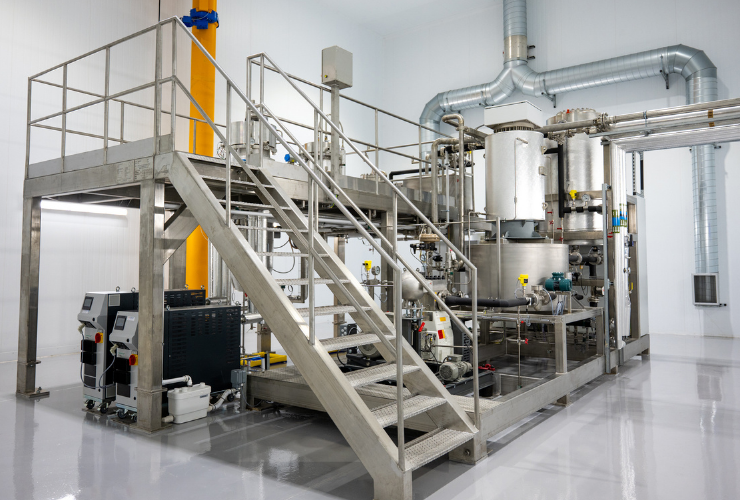
Coveris film purification plant image from FlexoTech

Coveris said its COtooCLEAN demonstration plant in Louth uses supercritical CO2 extraction to remove embedded contaminants from post-consumer PE and PP film waste so it can be converted into higher-quality recycled resin suitable for demanding applications.

Why it matters for converters and machine buyers: Better recycled resin supply will speed adoption of PCR-rich films, but those structures still need disciplined slitting, winding and inspection to run cleanly.

Source: FlexoTech on Coveris' film purification plant