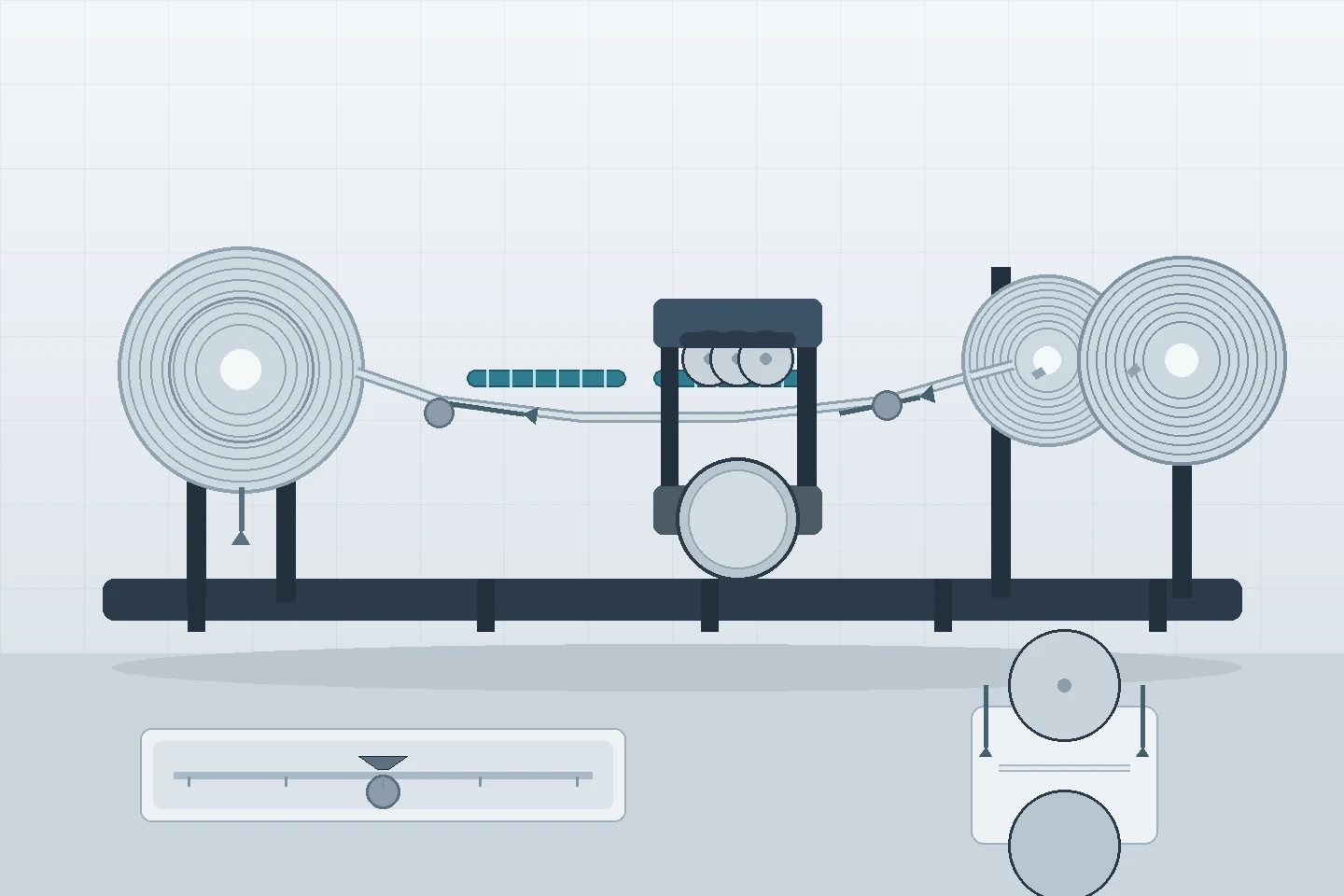
Film Slitter Rewinder Specification for PE & PET
Discover the exact technical parameters, tension control strategies, and slitting methods required to convert PE and PET film efficiently.
Read articlePractical articles for wipes, hygiene, medical and industrial nonwoven manufacturers evaluating slitting, rewinding and perforating equipment.
Latest Articles
Discover the exact technical parameters, tension control strategies, and slitting methods required to convert PE and PET film efficiently.
Read article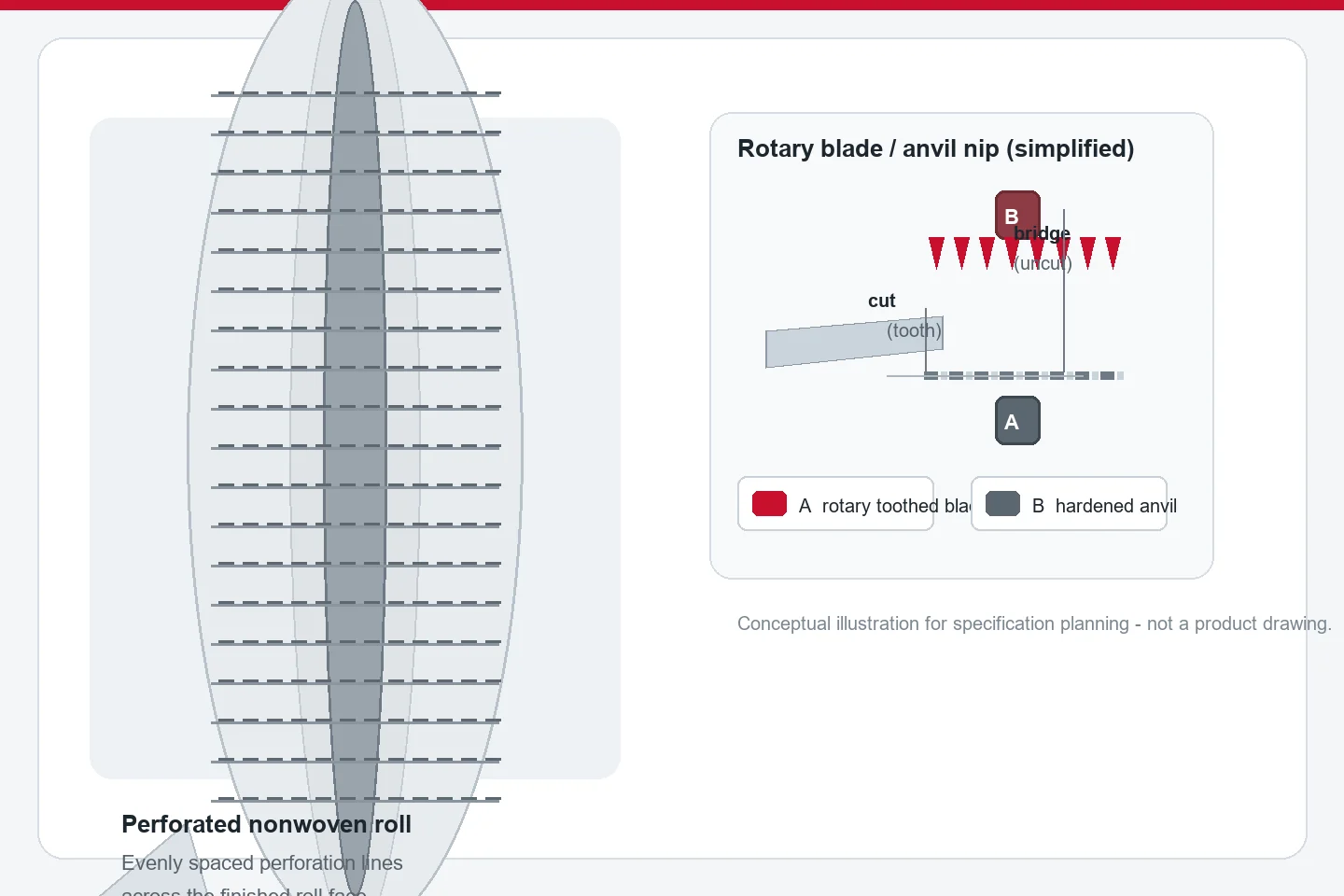
Learn how to correctly specify cut-to-bridge ratios, tear strength, and tooling for nonwoven perforating machinery.
Read article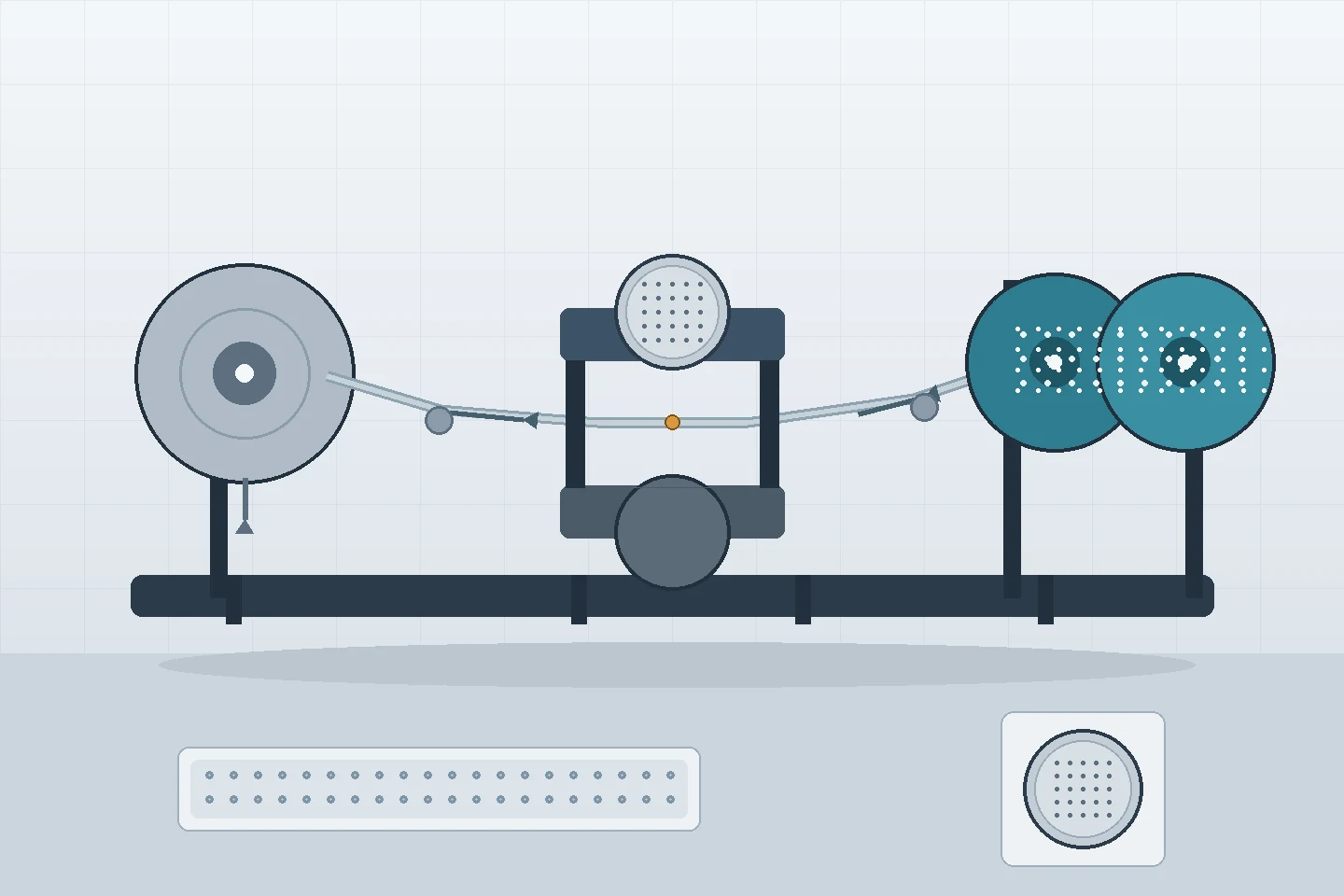
A comprehensive guide for overseas factory buyers on how to specify nonwoven embossing machines, choose roller nips, and prepare an RFQ checklist for converting lines.
Read article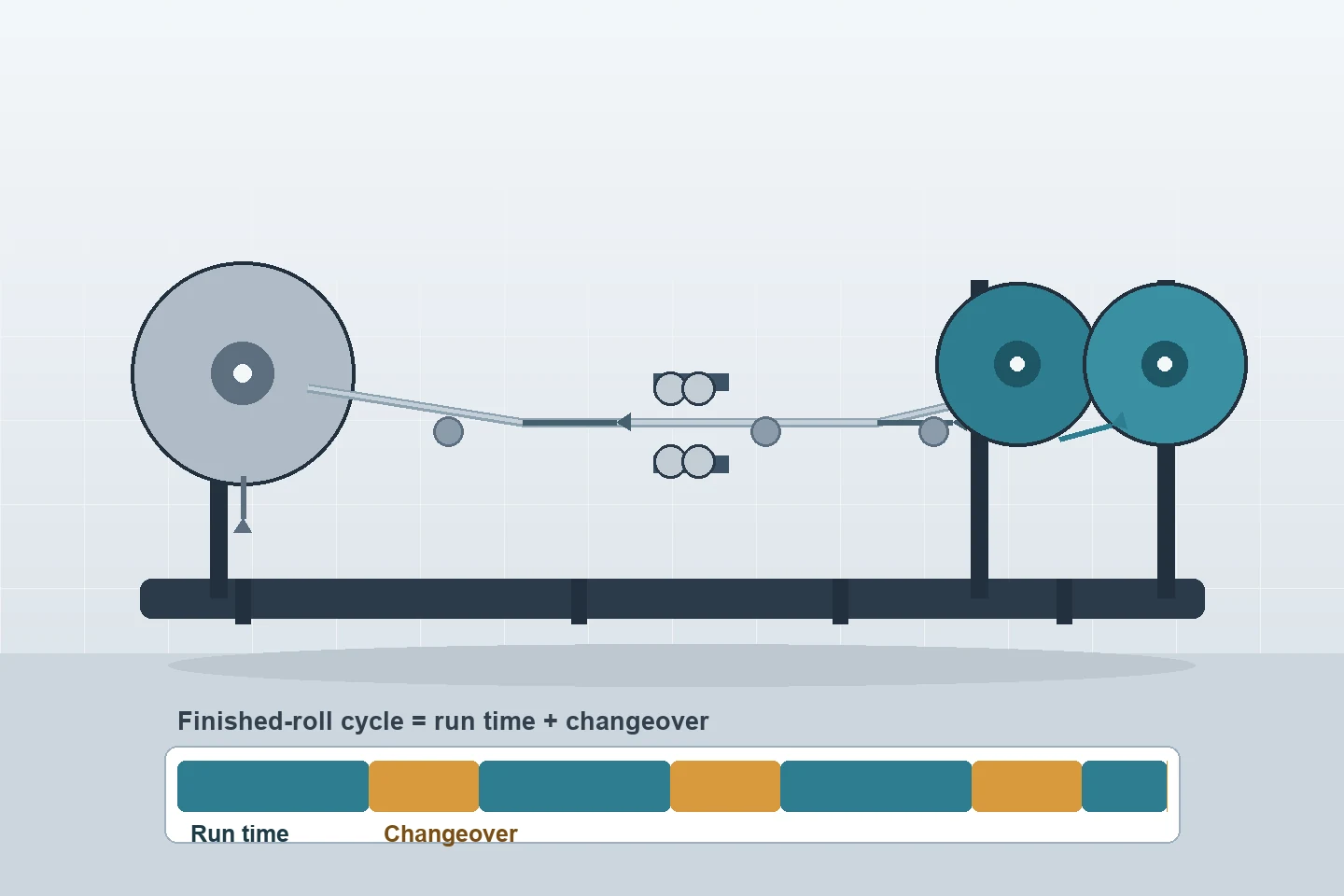
Discover how to model true roll cycle times and machine efficiency to calculate accurate production capacity for your next slitter rewinder RFQ.
Read article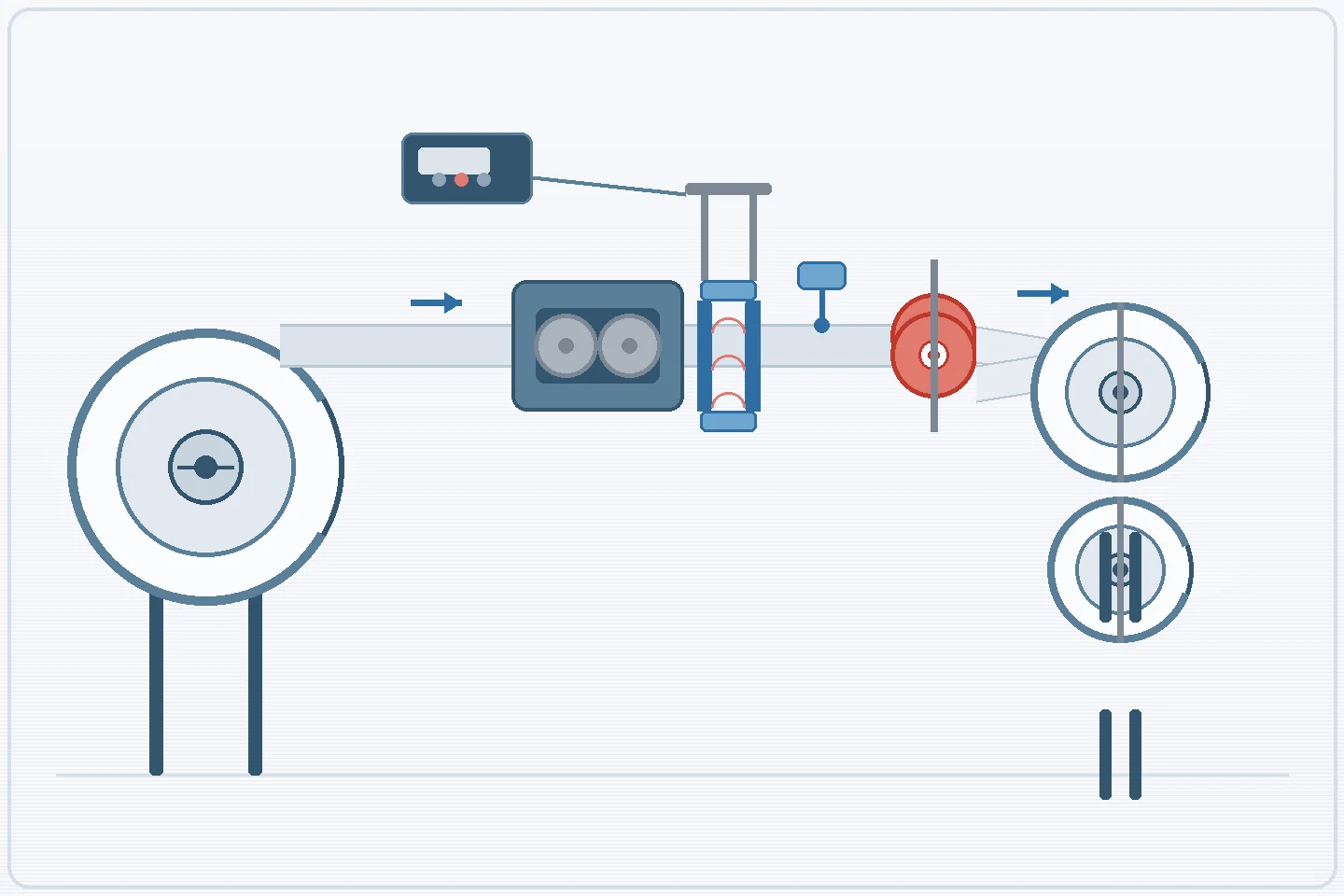
Compare ultrasonic, optical, and CCD sensor technologies for slitter rewinders to ensure precise edge control for nonwoven, paper, and transparent PE film materials.
Read article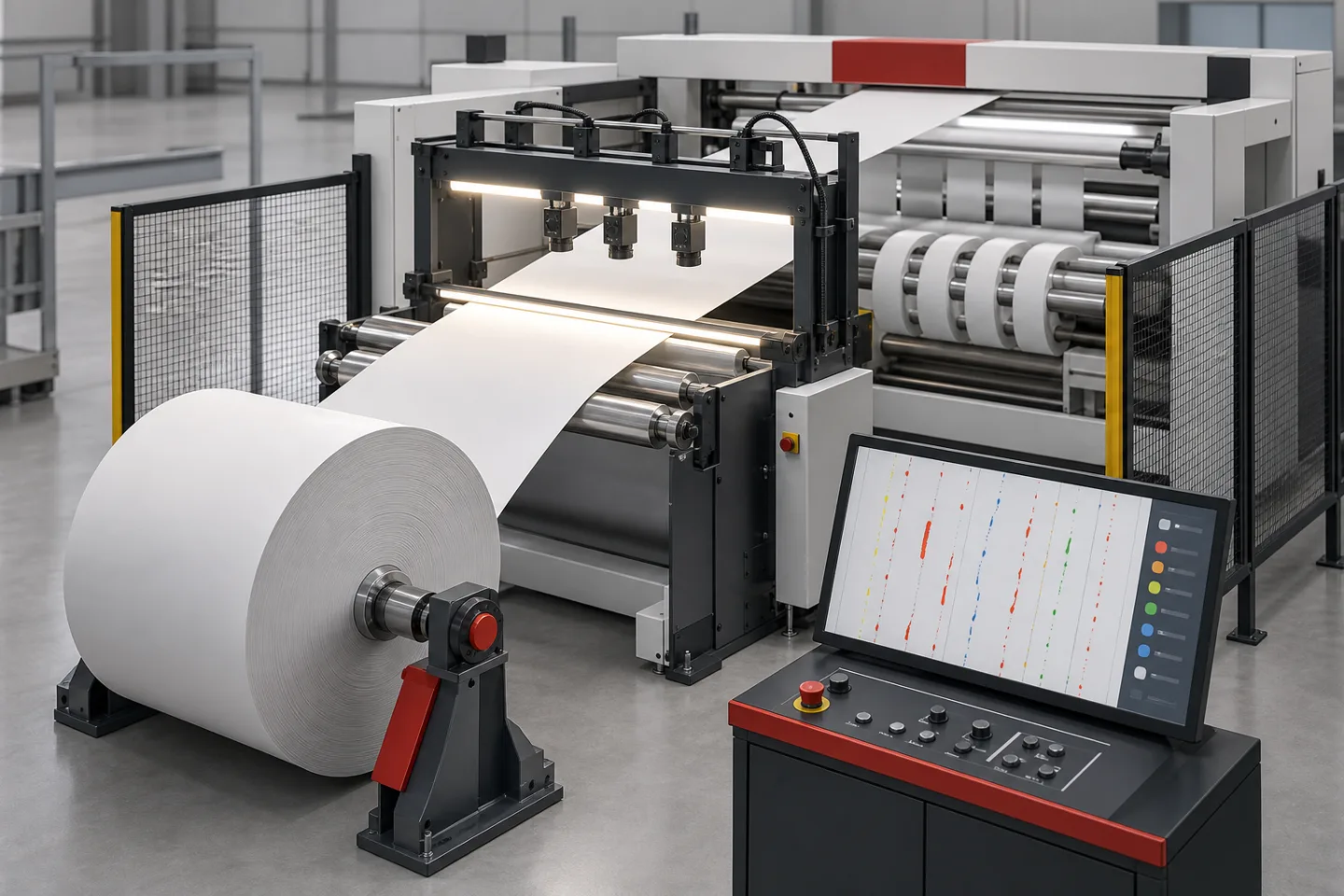
Specify inspection-ready slitting and rewinding layouts, web monitoring scope, defect workflows, RFQ data and FAT evidence.
Read article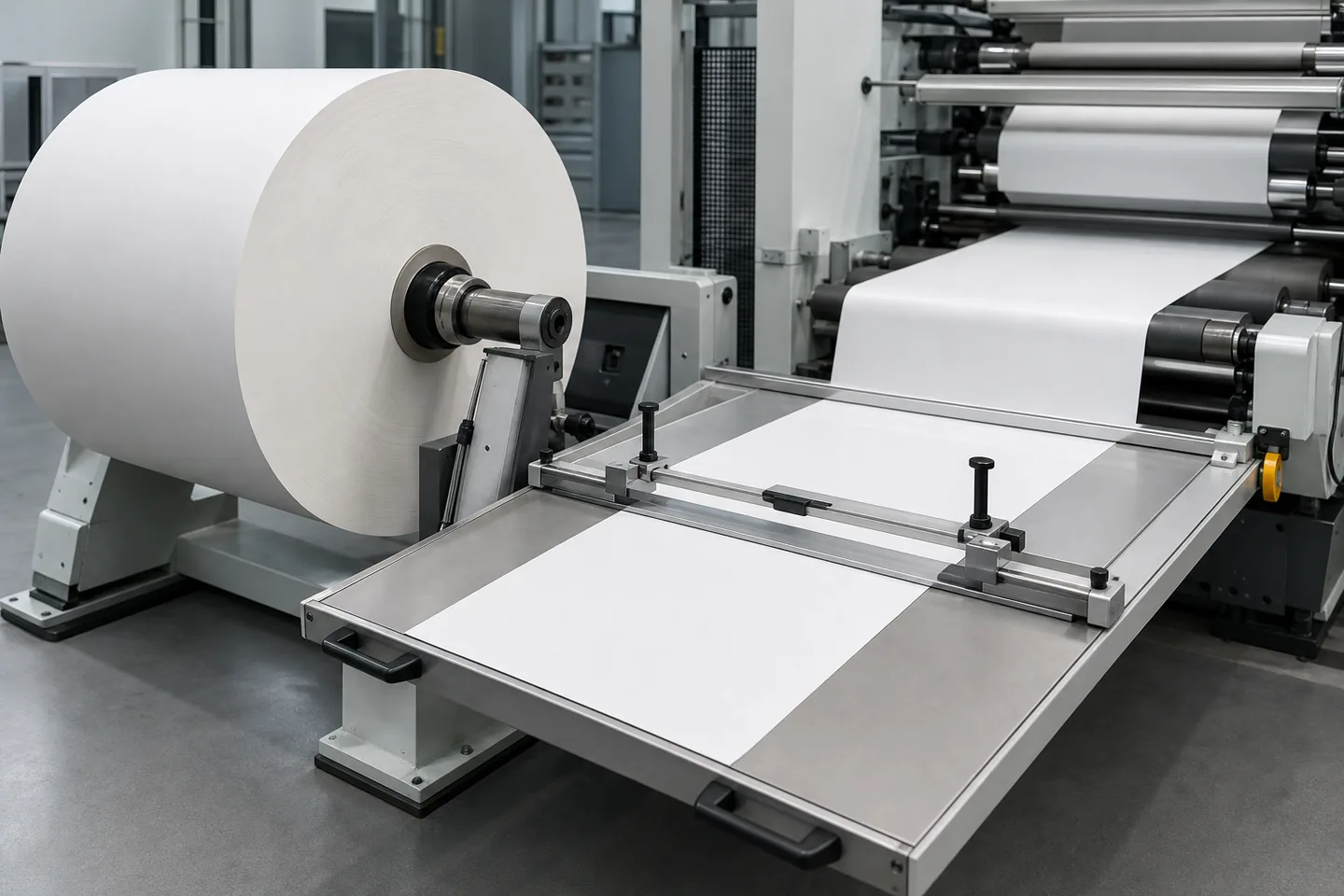
Compare manual splice tables, assisted web splicing stations, automatic splicer discussions, RFQ data and FAT checks before ordering.
Read article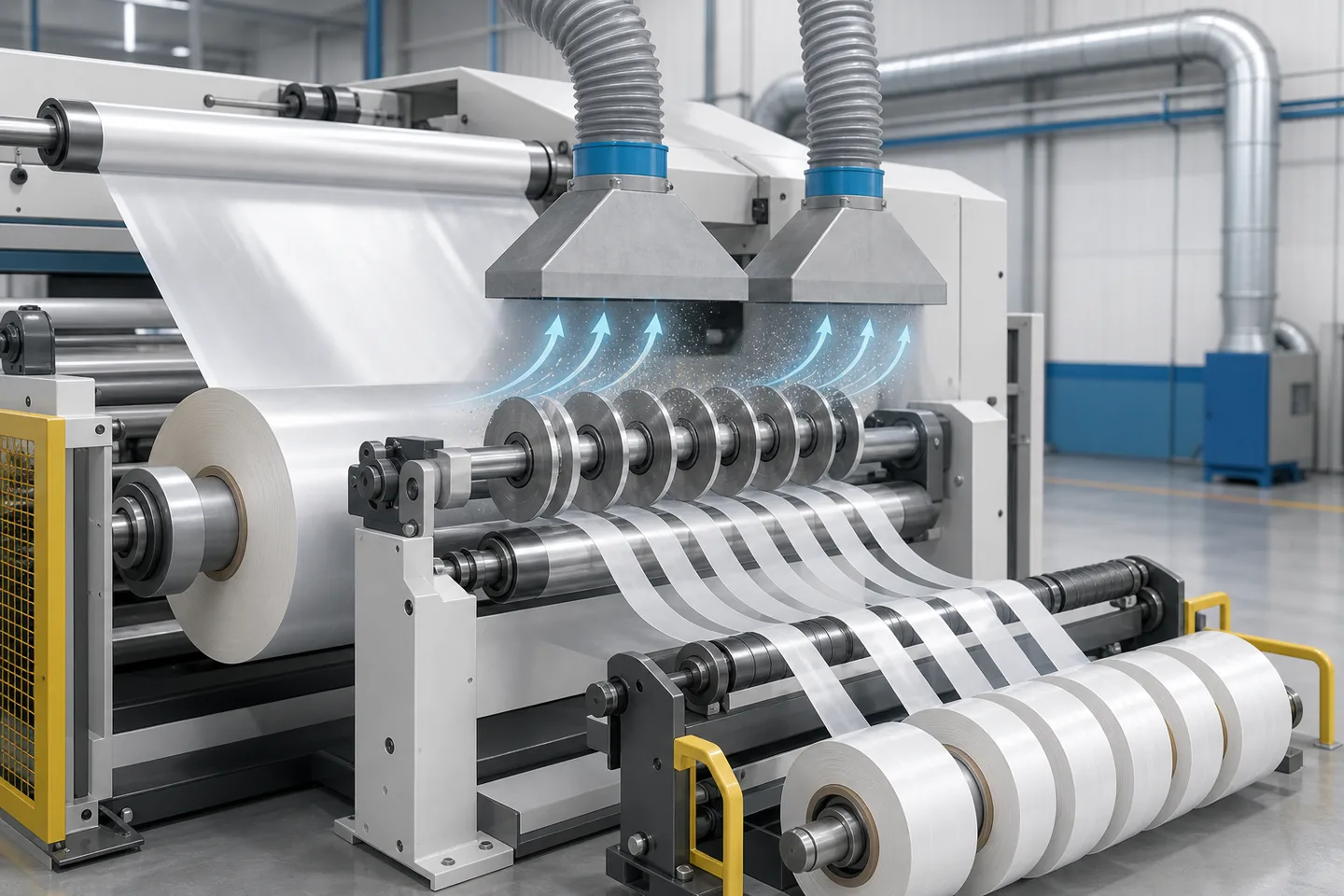
Learn when dust extraction belongs in a slitter rewinder RFQ, what data buyers should send, and how to divide machine and facility responsibilities.
Read article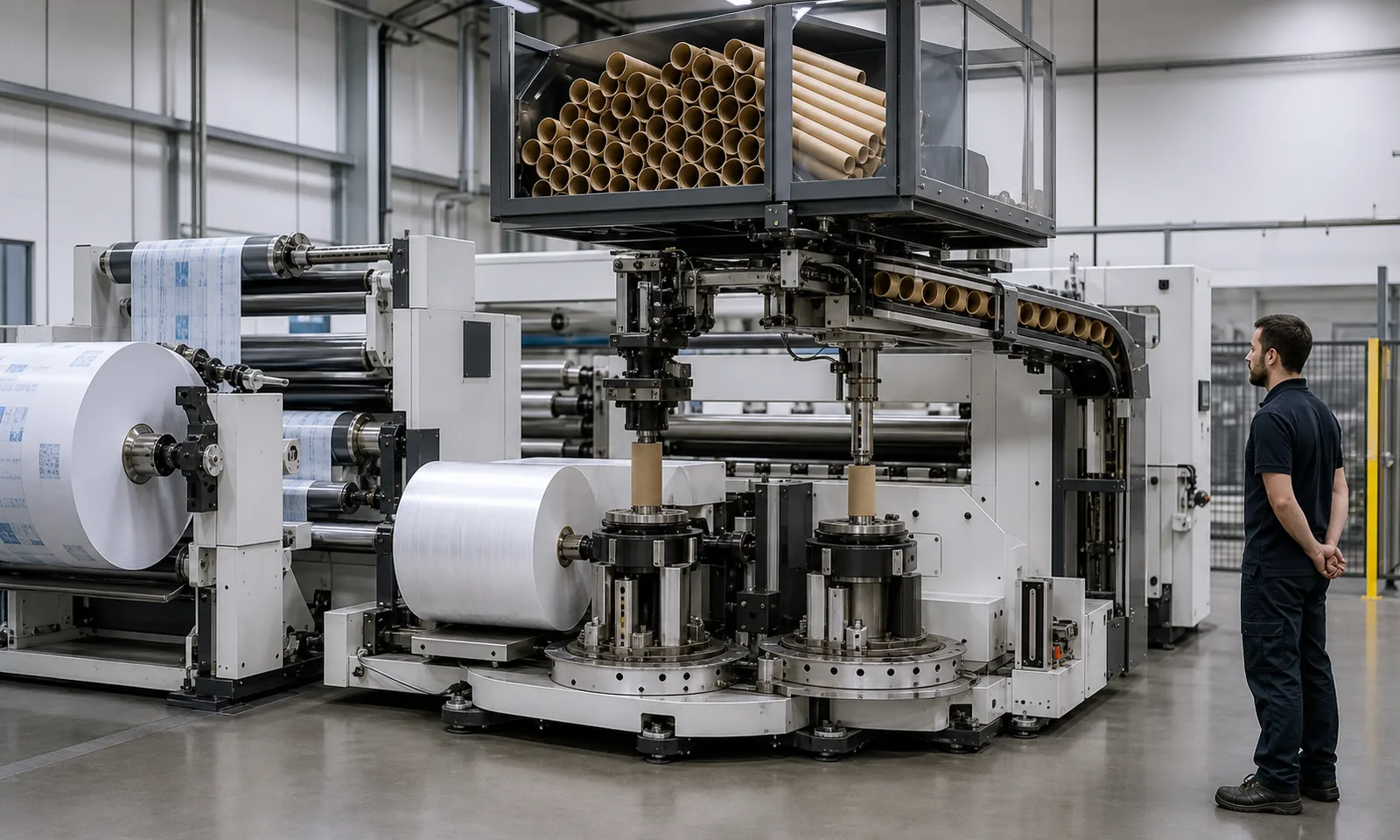
Learn when automatic core loading is worth specifying, what RFQ data matters, and how to verify core transfer at FAT.
Read article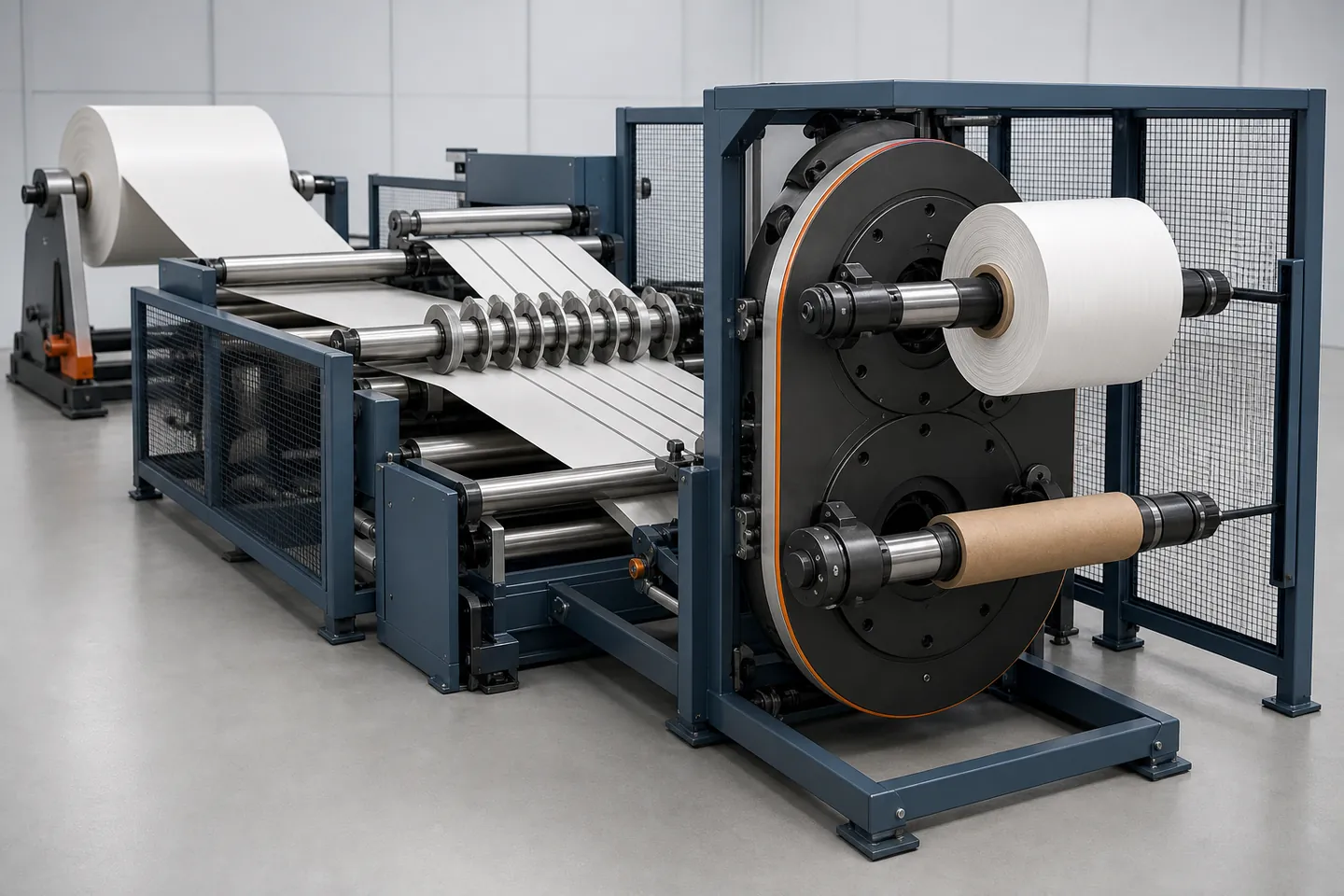
Evaluate cycle-time savings, transfer modes, roll handling, guarding, RFQ data and FAT evidence before specifying a turret rewind.
Read article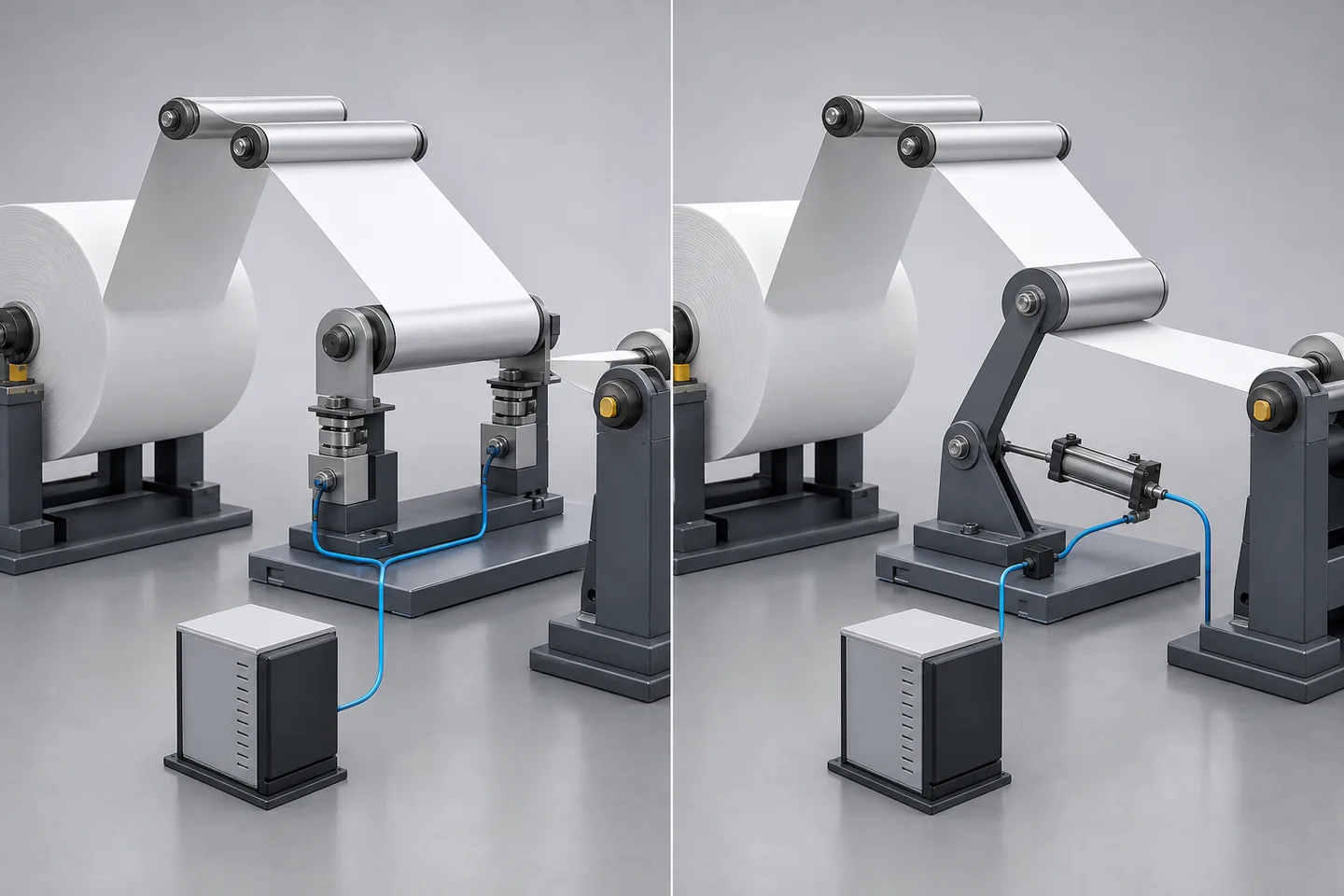
Compare direct force feedback, dancer web storage, hybrid control, maintenance requirements and measurable FAT evidence.
Read article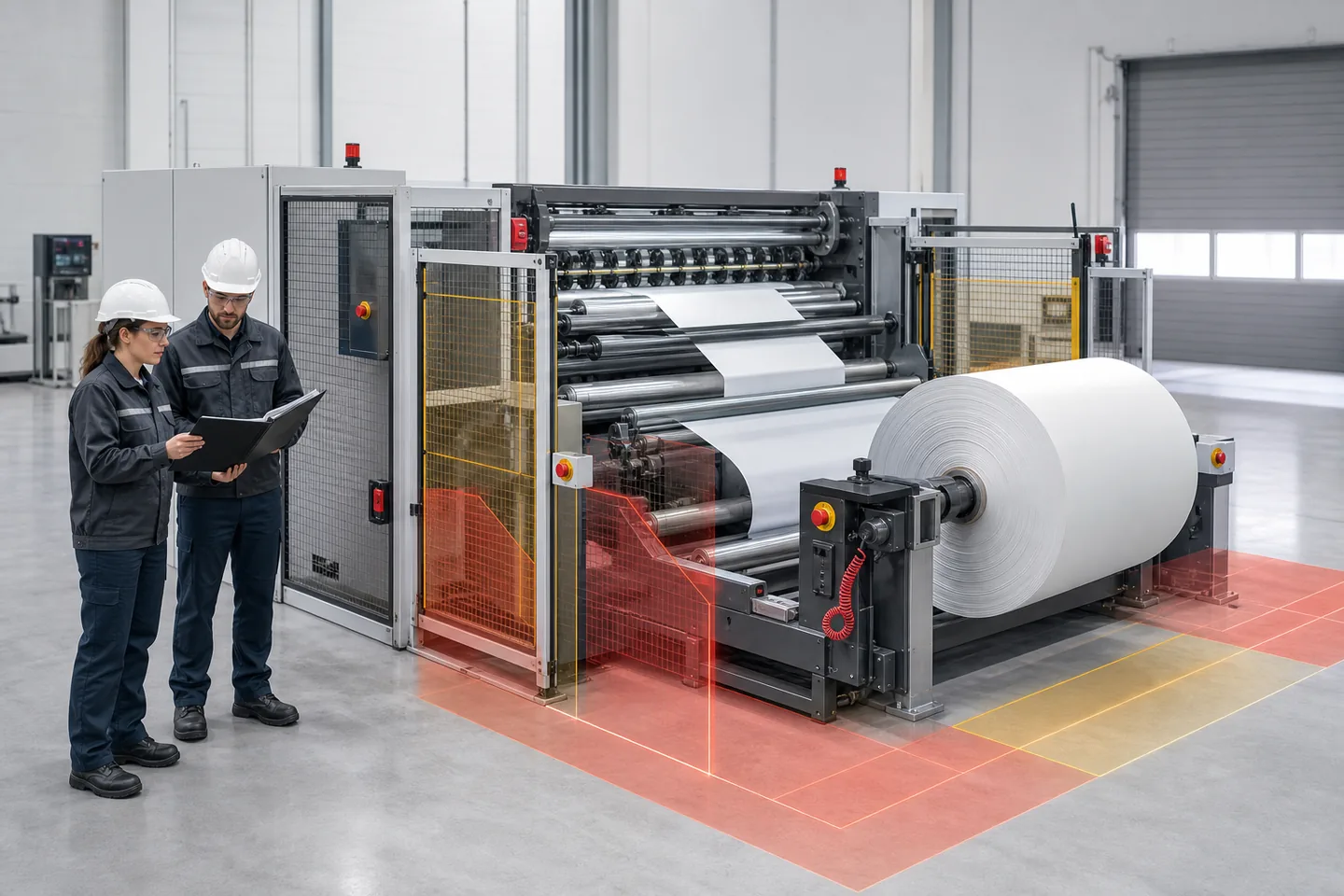
Review the declaration, risk assessment, guards, electrical file, manuals and FAT evidence before approving an EU-bound machine.
Read article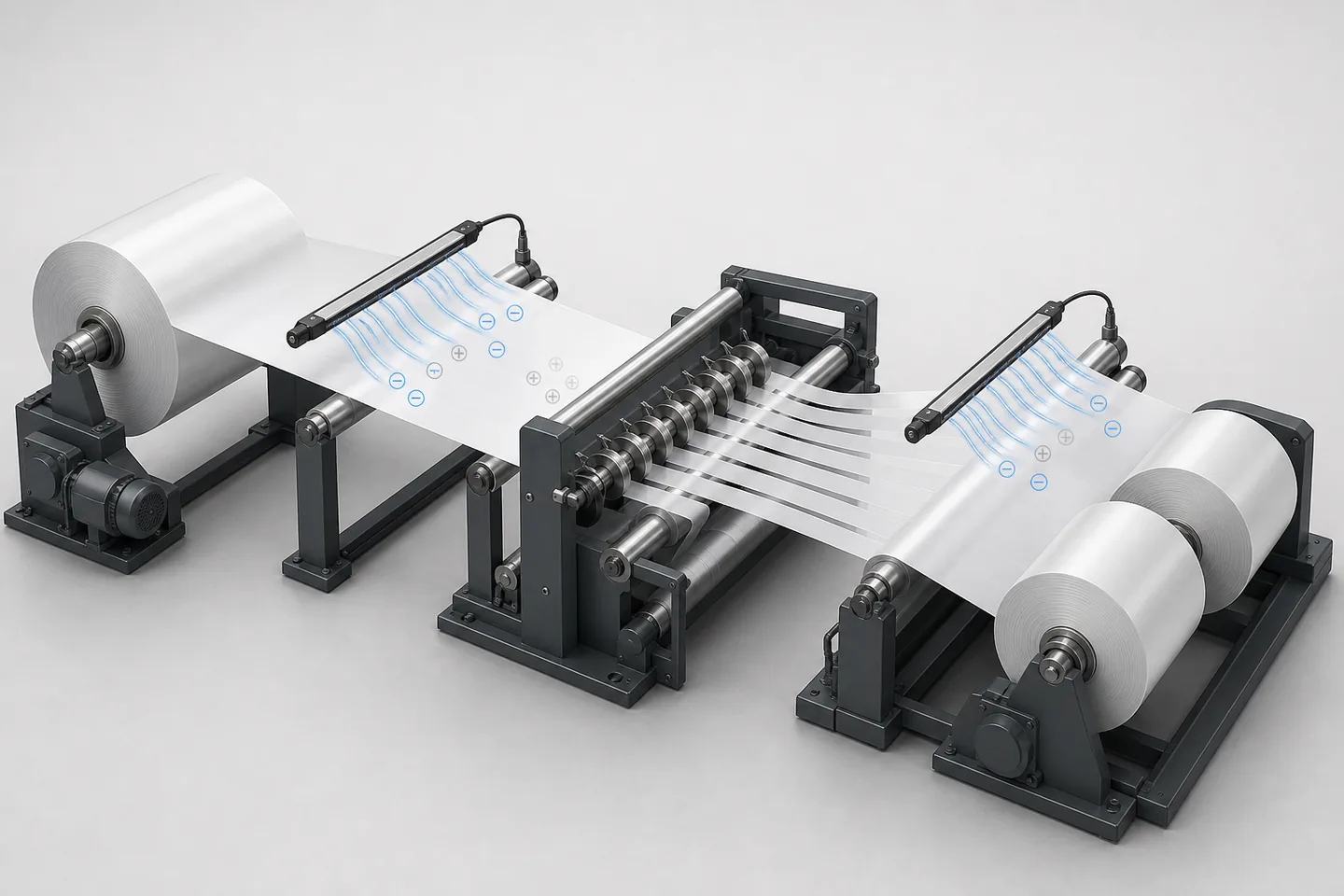
Define materials, control points, ionizer placement, monitoring, safety information and measurable FAT evidence before ordering.
Read article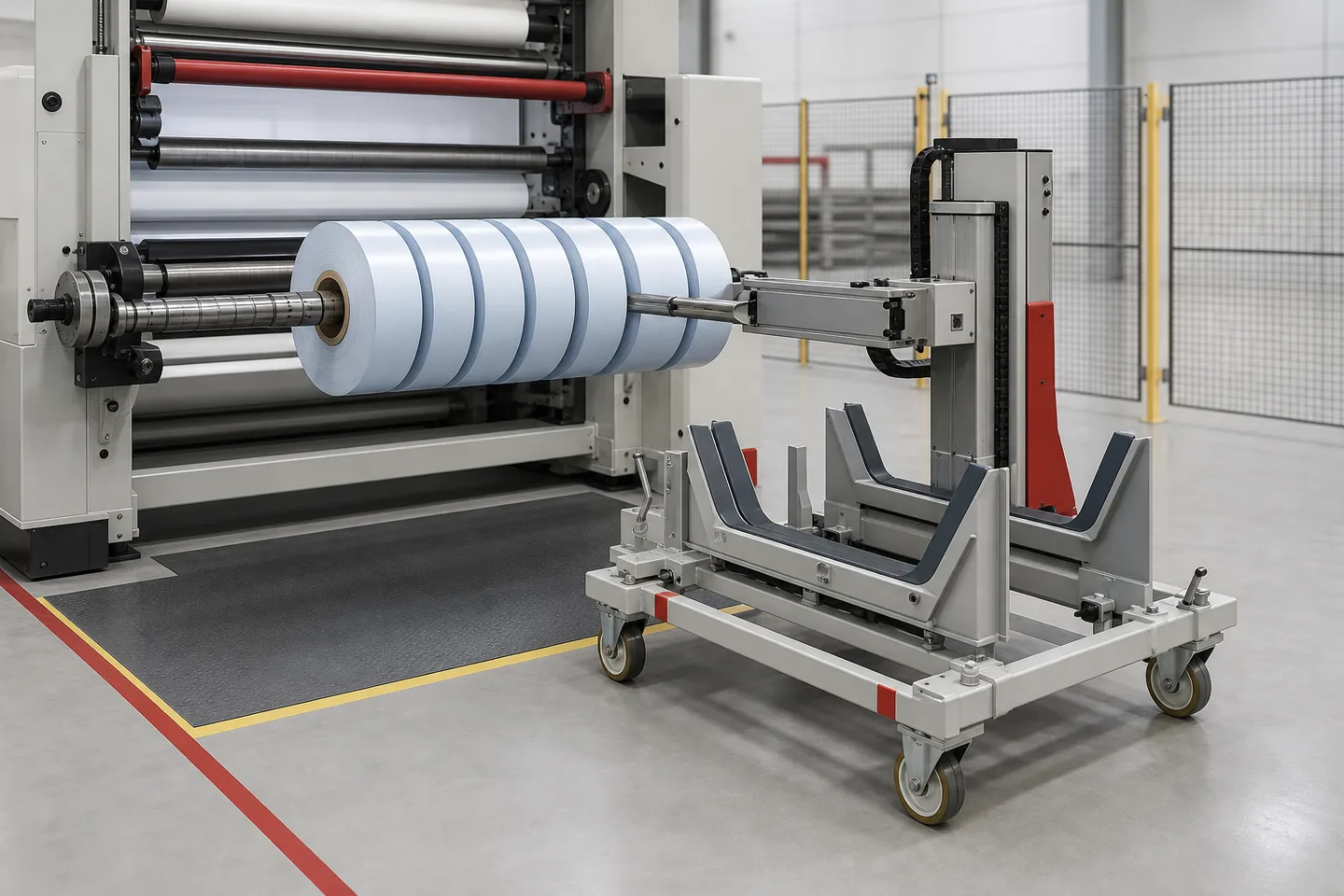
Compare roll pushers, unloading stands, trolleys and shaft extraction using real roll recipes, plant flow, RFQ data and FAT checks.
Read article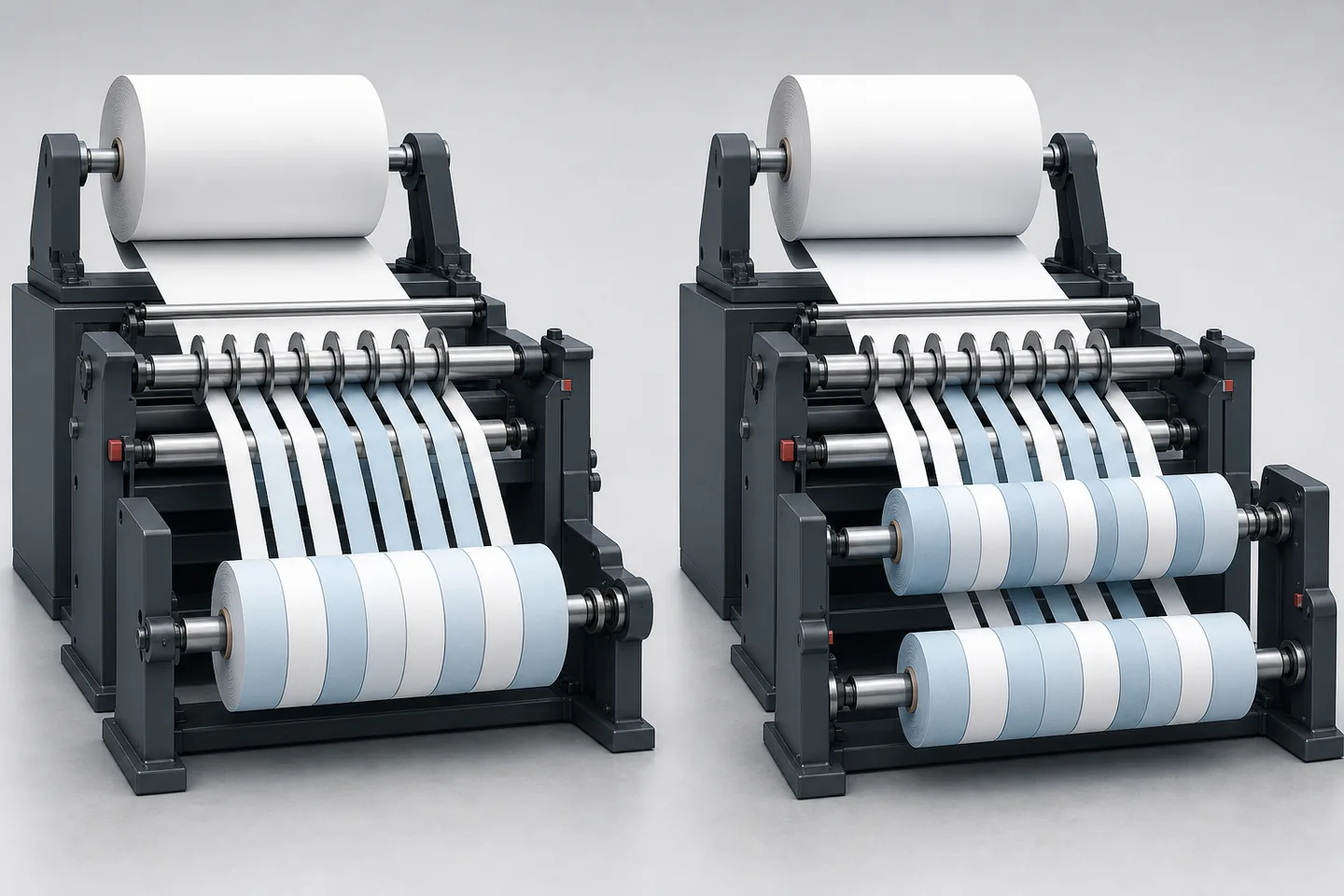
Compare rewind layouts, slit patterns, tension control, unloading, RFQ data and FAT checks before choosing a machine configuration.
Read article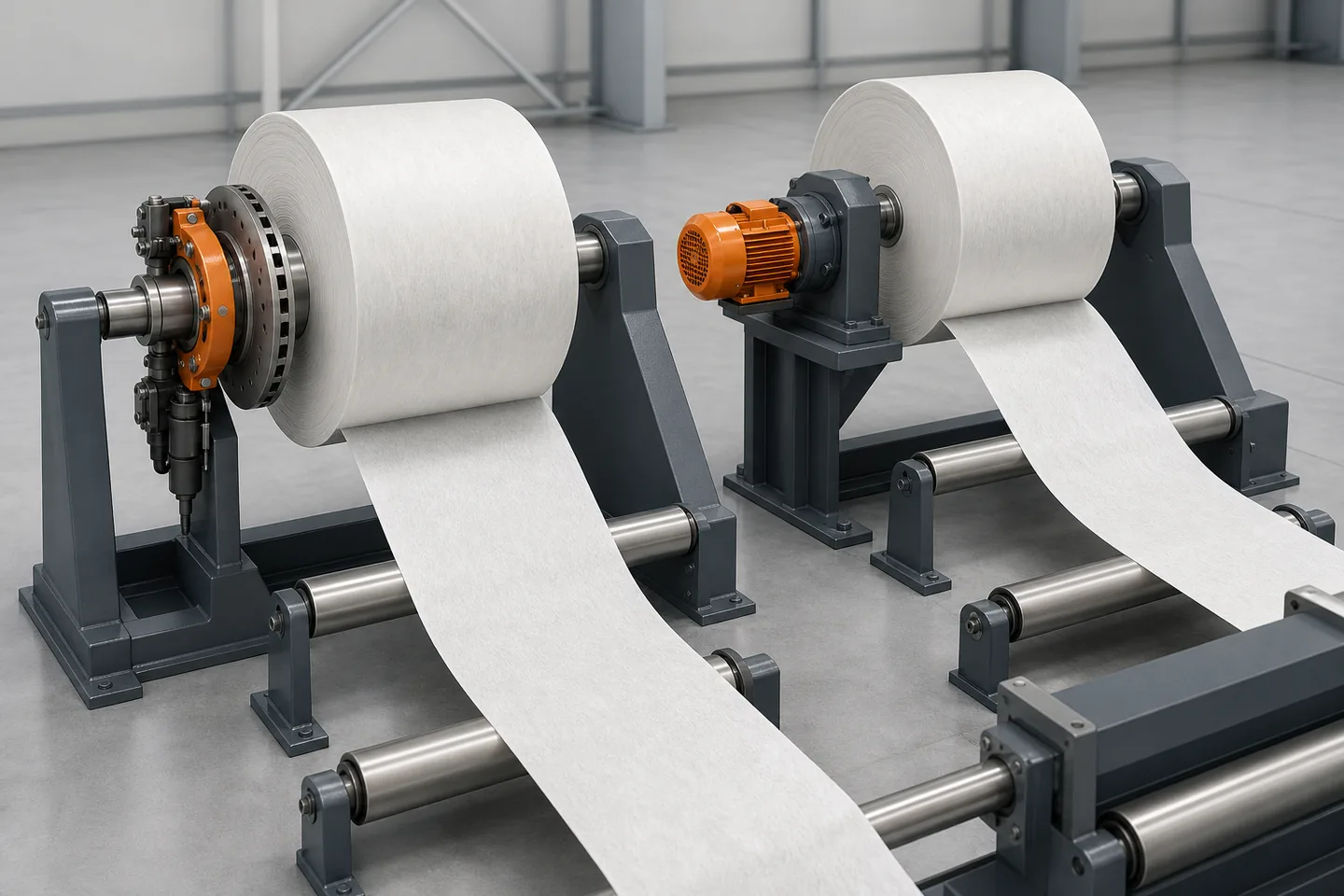
Compare torque control, parent-roll inertia, tension sensitivity, RFQ data and FAT checks before selecting an unwind system.
Read article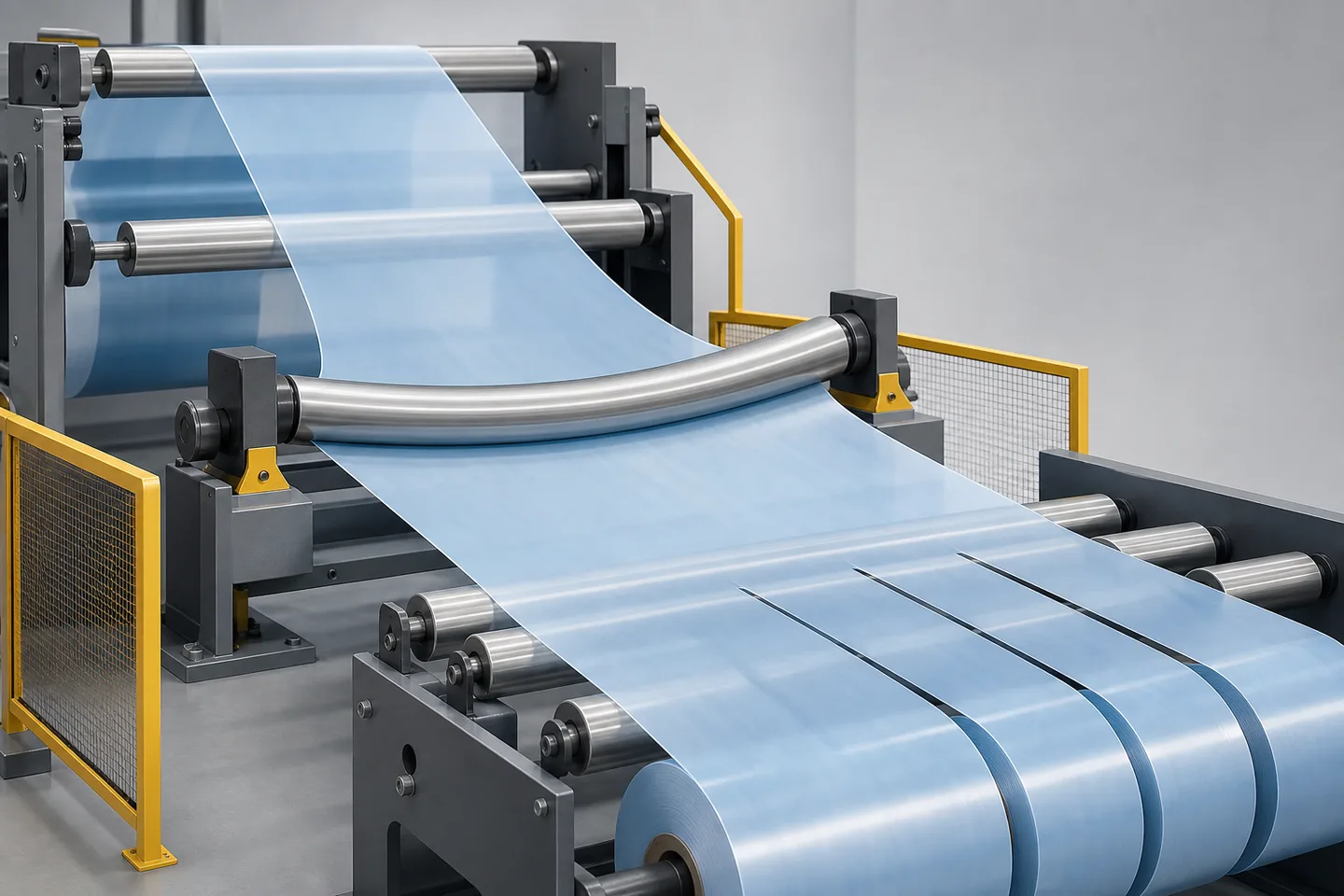
Learn when a bowed roller can control wrinkles or separate slit lanes, what RFQ data matters, and how to verify the result during FAT.
Read article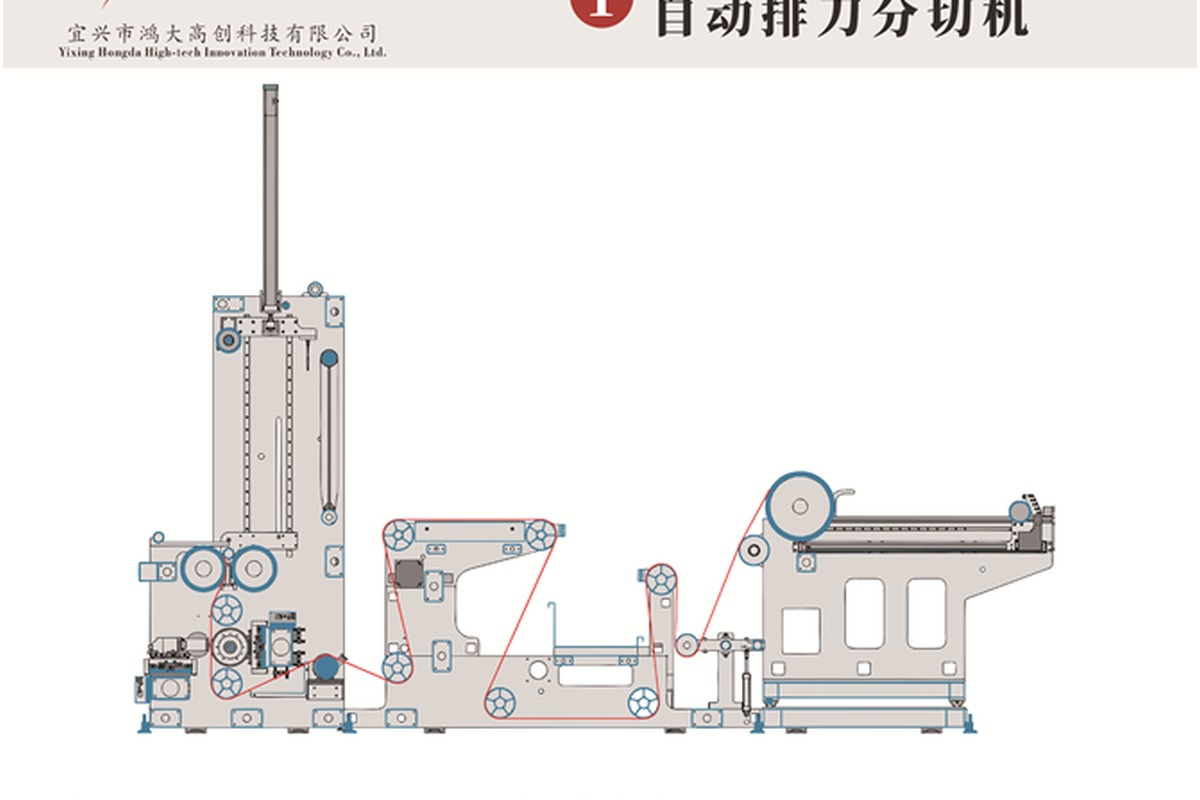
Compare unwind options so your RFQ matches parent-roll weight, loading method, core condition, safety planning and factory layout.
Read article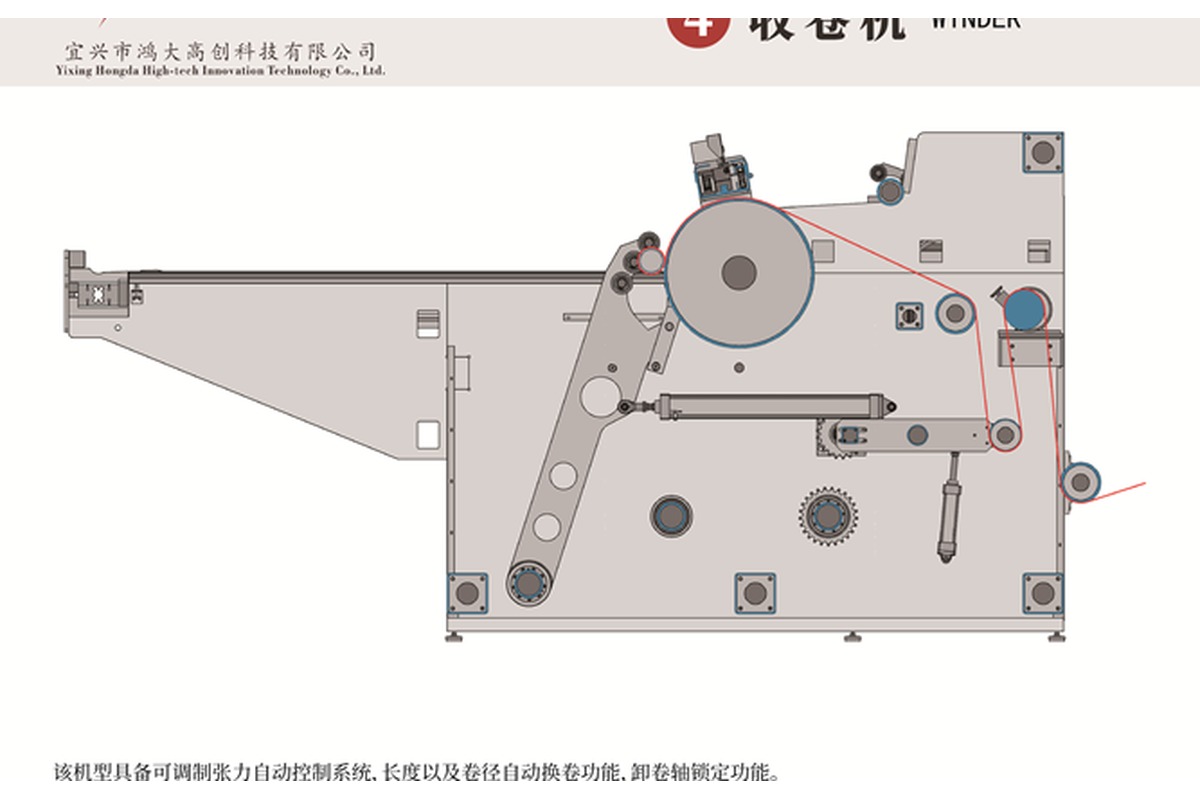
Learn when contact roller control affects roll hardness, trapped air, telescoping, material marking and FAT acceptance.
Read article
Define finished roll width, tolerance, trim allowance, knife setup and FAT checks before requesting a slitter rewinder quotation.
Read article
Diagnose wrinkles, telescoping, soft rolls, starring and poor slit edges before specifying a new machine configuration or upgrade.
Read article
Learn when automatic web threading belongs in a slitter rewinder RFQ, what problem it should solve, and how to verify it before shipment.
Read article
Learn when differential shafts solve real roll-quality problems, what buyer data suppliers need, and how to evaluate the option before order.
Read article
Define the finished roll package correctly before RFQ so suppliers can match rewind shafts, winding method, and downstream handling to your real production needs.
Read article
Learn when trim recovery is worth specifying, how waste-handling method affects uptime, and which RFQ details matter before order.
Read article
Compare center, surface, and center-surface winding so you can match roll hardness, diameter, and material behavior before RFQ.
Read article
Evaluate when automatic roll change is commercially justified, what RFQ data matters, and which safety and layout questions buyers should review first.
Read article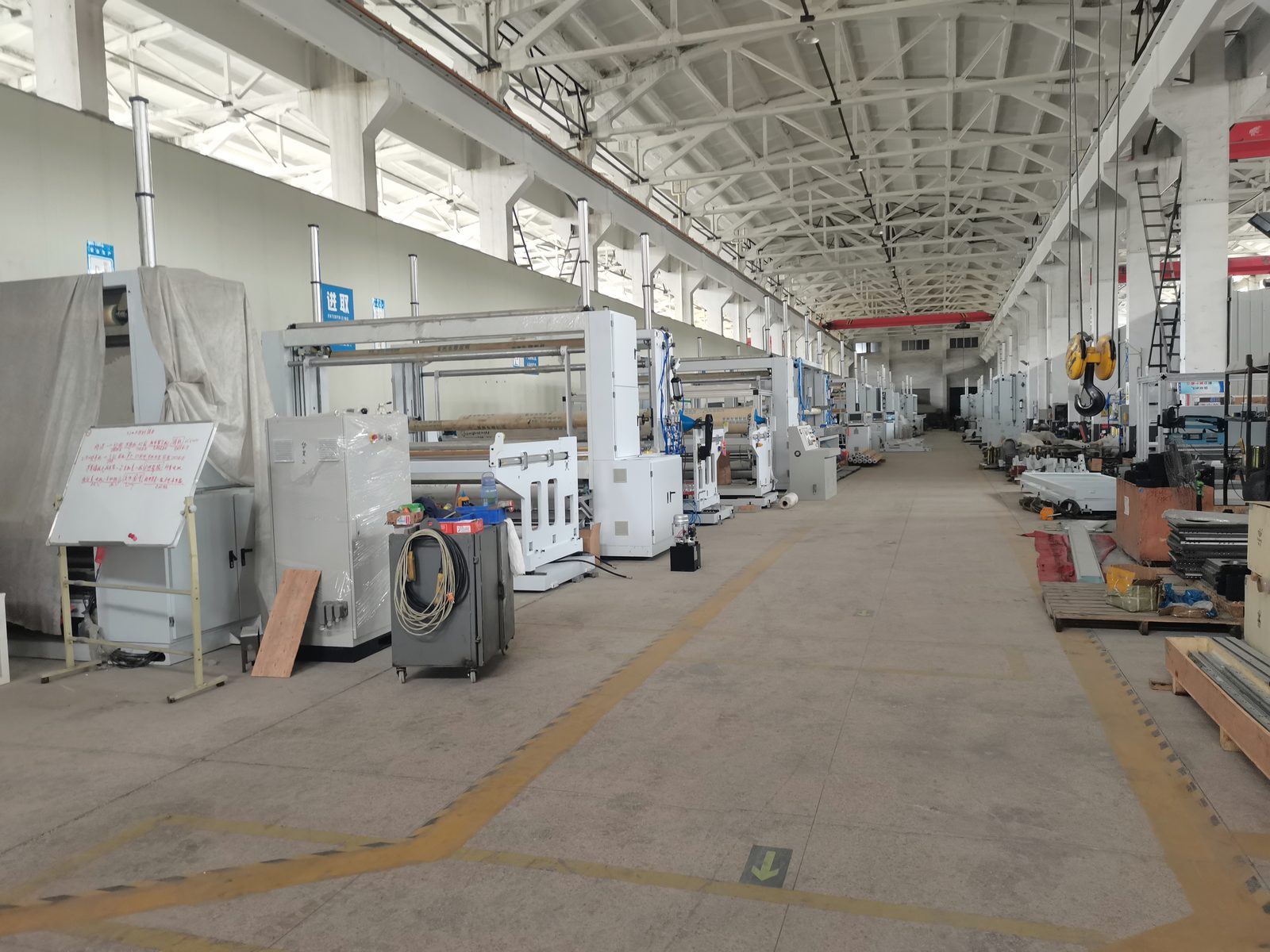
Learn what buyers should confirm on layout, power, compressed air, handling space, and safety before a new slitter rewinder ships.
Read article
Understand the engineering differences between major slitting methods and learn how to match knife configuration to material, edge quality, and changeover needs.
Read article
Learn when automatic knife positioning is worth specifying, how manual and automatic setup differ, and which RFQ details matter before order.
Read article
Use a practical FAT checklist to verify slit quality, roll formation, controls, safety and shipment readiness before dispatch.
Read article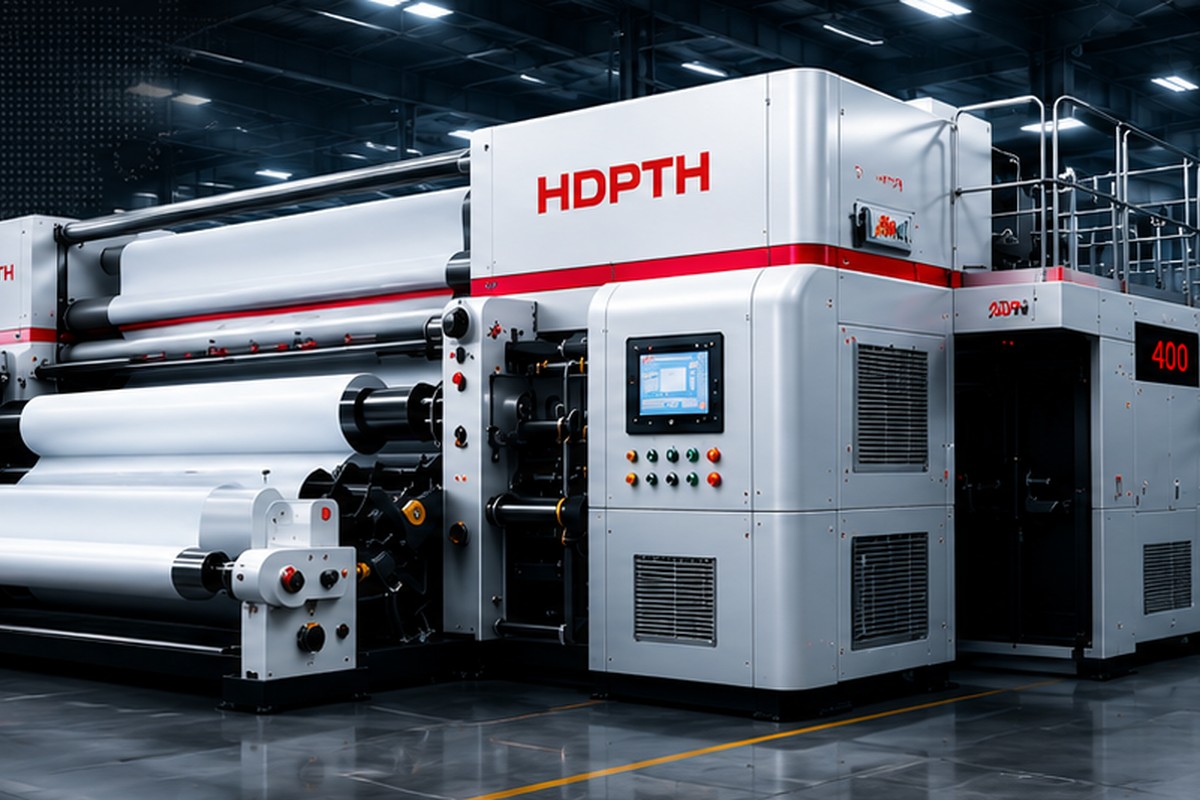
Compare material requirements, stable speed, tension control, finished roll quality, factory testing and shipment preparation before selecting a machine.
Read article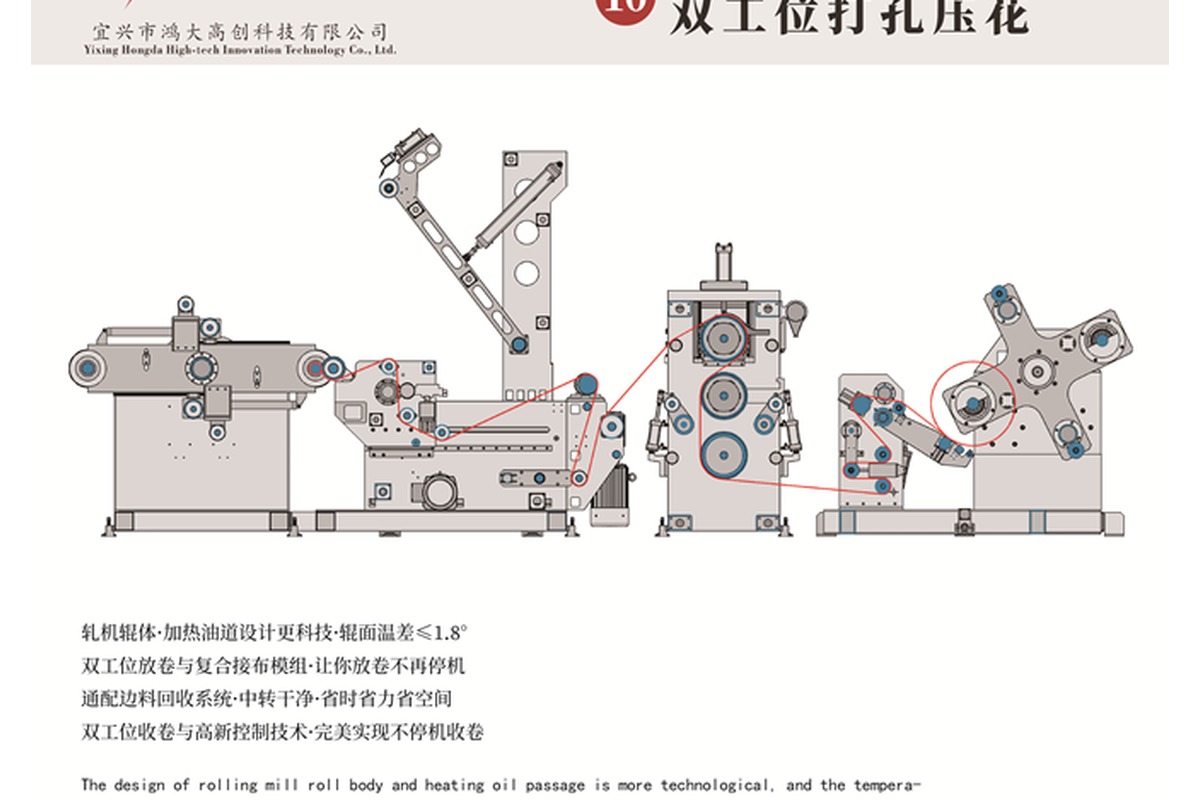
Learn when perforation is required, which production parameters matter and how to evaluate tear quality and roll stability.
Read article
Understand how web control affects wrinkles, edge quality, perforation accuracy and finished roll formation.
Read article