Published June 22, 2026 | By HDPTH Technical Editorial Team
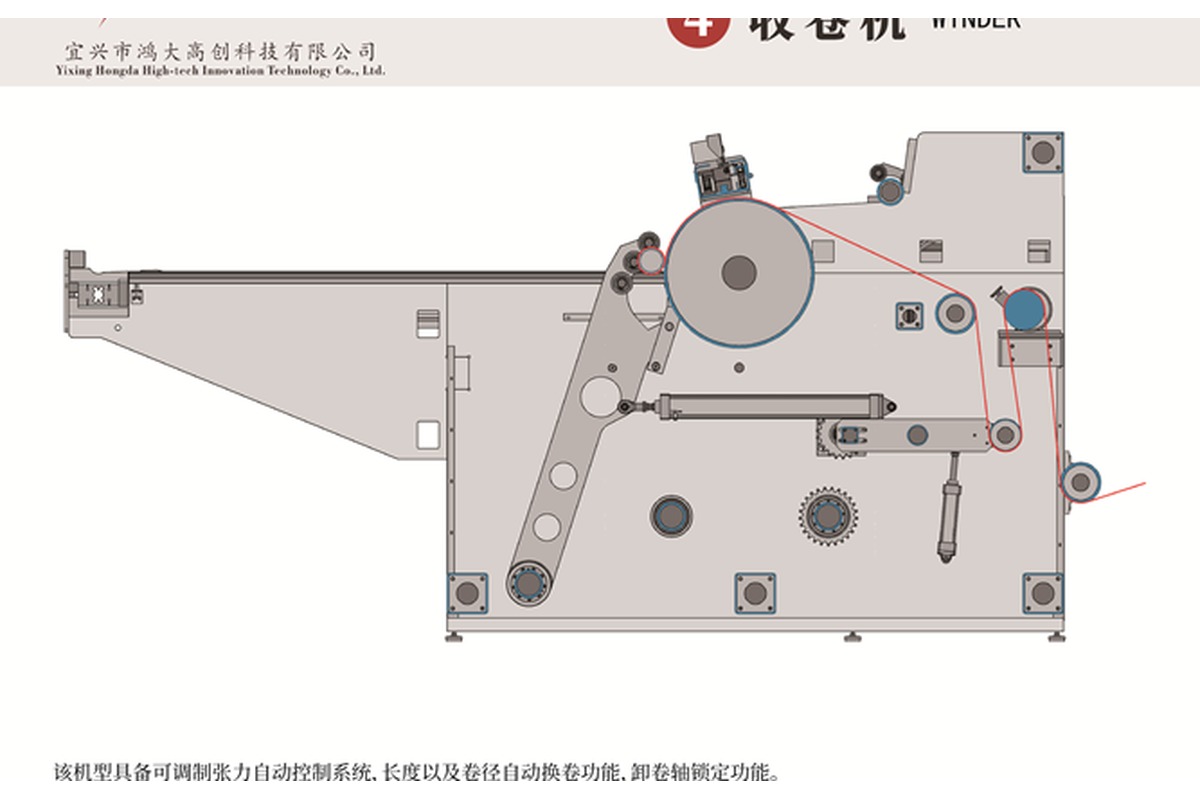
A finished roll can look simple from the outside. For a plant manager or procurement team, however, a bad roll is rarely cosmetic. Wrinkles can stop downstream converting. Telescoping can make roll handling unsafe or unusable. Soft rolls may collapse in storage. Tight rolls can block, deform cores, or create material stress. Poor edges can affect packaging, printing, laminating, hygiene converting, or wipes production.
That is why roll-defect troubleshooting is a useful B2B search topic. Buyers who search for it are usually not casual readers. They are trying to decide whether the current problem can be fixed by settings and maintenance, or whether they need a slitter rewinder with better web control, winding control, knife systems, roll handling, or automation.
This guide focuses on buyer diagnosis. It does not promise that one feature will solve every defect. Instead, it explains what to observe, what data to collect, what to ask a supplier, and how to verify roll quality before shipment.
Start with the defect, not the machine feature
Many RFQs start with a feature request: automatic tension control, web guiding, center winding, differential shafts, automatic knife positioning, or a new rewind structure. Those features may be relevant, but they should follow the diagnosis. A buyer should first identify the visible defect, the material being processed, the roll size, the machine speed, and the process stage where the defect appears.
For example, wrinkles that enter the rewind before the slit rolls are built have a different cause from wrinkles that form only after the finished roll reaches a larger diameter. Telescoping that appears immediately after unloading is different from telescoping after transport. A poor slit edge that appears only on one lane may point toward knife setup, edge trim, web alignment, or uneven parent-roll condition rather than general rewind control.
HDPTH's local product pages show why this distinction matters. The high-speed slitting machines page covers nonwoven, paper, film, textile and flexible roll materials, with project-based machine width, cutting and winding configuration. The nonwoven rewinding machines page describes stable tension, controlled rewinding, custom production layouts, and integration with slitting, perforating and auxiliary equipment. Those are configuration discussions. They become useful only after the buyer explains the real roll-quality problem.
Common roll defects and likely causes
The same finished-roll symptom can have several root causes, so treat the table below as a troubleshooting map, not as a final diagnosis.
| Defect | What Buyers See | Likely Areas to Check |
|---|---|---|
| Wrinkles | Creases, diagonal lines, trapped folds, web distortion | Tension profile, web spreading, alignment, roller condition, parent-roll quality, nip or lay-on pressure |
| Telescoping | Layers shift sideways after rewind, unloading, storage or transport | Roll hardness, core grip, web tension, side loading, handling method, storage position |
| Starring | Star-shaped deformation around the core or roll center | Excessive wound-in stress, weak cores, high starting tension, incorrect torque or pressure profile |
| Soft or loose rolls | Rolls deform, collapse, or unwind unevenly downstream | Low tension, insufficient nip, poor core fit, winding method, roll diameter target, material compressibility |
| Hard or blocked rolls | Rolls are difficult to unwind, layers stick, cores deform | Too much tension, too much pressure, heat or storage condition, sensitive films or coated materials |
| Poor slit edges | Dust, fuzz, tails, edge waves, burrs, uneven lanes | Knife method, blade condition, overlap, web support, tension through the slitting section, trim handling |
Wrinkles: look upstream before blaming the rewind
Wrinkles are often noticed on the finished roll, but they may start much earlier. The web can enter the rewind with cross-machine stress because the parent roll is uneven, a guide roller is not parallel, the web guide overcorrects, the spreading path is weak, or the material is pulled with unstable tension. If the wrinkle is already visible before the slitting section, changing only the rewind setting is unlikely to solve the issue.
Buyers should ask operators to mark where the wrinkle first appears. Is it visible at the unwind? Does it begin after a guide roller? Does it appear after knife engagement? Does it appear only during acceleration or deceleration? The answer separates web-path problems from roll-build problems.
For tender documents, describe the material's sensitivity. Lightweight nonwoven, soft spunlace, thin PE film, PET film, paper and composite materials do not behave the same way. A supplier needs GSM or thickness, width, speed target, web tension expectation if known, and examples of the defect before recommending web guiding, spreading, tension control or a different winding layout.
Telescoping: check roll hardness, core grip and handling
Telescoping happens when layers shift sideways and the roll no longer holds its shape. The cause may be a roll wound too loosely, an unstable hardness profile, weak or poorly fitted cores, side loading during unloading, or transport conditions that push layers out of alignment. Sometimes the machine creates the problem. Sometimes the machine produces an acceptable roll that is damaged by handling or storage.
For slitter rewinder sourcing, the buyer should explain when telescoping appears. If the roll telescopes before unloading, the supplier should review tension, nip or lay-on pressure, shaft type, core fit, and rewind method. If the roll looks acceptable at the machine but telescopes after forklift movement or shipping, the buyer should also review packaging, pallet support, roll orientation, core strength, and finished-roll diameter.
HDPTH's rewinding page lists project-based rewinding widths, diameters and core requirements. Use those variables in the RFQ. A statement such as "roll telescopes" is less useful than "600 mm slit roll, 76 mm core, 800 mm finished diameter, spunlace nonwoven, telescopes after unloading from the right rewind shaft."
Starring and core damage: do not ignore the first meters
Starring is usually seen around the core area. It can be caused by excessive wound-in stress near the start of the roll, weak or inconsistent cores, poor core grip, or a rewind program that does not match the material. The first meters matter because they create the foundation for the rest of the roll. If that foundation is too tight, too loose, or not centered, later layers may only hide the problem until the roll is stored or unwound downstream.
Before blaming the machine, inspect the core. Is the core round? Is the wall thickness consistent? Does it crush under chuck or shaft pressure? Does the core ID match the shaft or chuck specification? Parkinson Technologies has repeatedly emphasized core quality as part of winding performance in its technical guidance, and this point is easy to overlook in procurement because cores are often treated as consumables rather than part of the roll-quality system.
Soft rolls, hard rolls and the winding-method decision
Finished-roll hardness is not automatically good or bad. A hygiene nonwoven roll, a paper roll, a film roll and a coated flexible material may need different roll structures. A soft roll can collapse, shift or create downstream tension variation. A hard roll can block, deform, or damage sensitive material. The correct target depends on material compressibility, roll diameter, downstream process, storage time and transport conditions.
This is where winding method and shaft selection matter. Center winding, surface winding, center-surface winding, locked-core shafts and differential rewind shafts each solve different problems. HDPTH has separate buyer guides on center winding vs surface winding and differential rewind shafts. Use those as follow-up reading when the defect is linked to roll hardness, uneven lane tension, mixed slit widths or roll build quality.
Poor slit edges: diagnose the cutting section and web support
Poor edges are sometimes grouped with rewind defects because they are visible on the finished roll. The real cause may be in the slitting section. Razor, shear and score slitting have different strengths, and the correct choice depends on material, edge-quality requirements, dust tolerance, speed and changeover needs. Blade condition, holder alignment, overlap, side load, web support and trim removal can all affect edge quality.
If edge defects appear only on certain lanes, record the lane position and width. If defects worsen at higher speed, record the speed threshold. If edge waste wraps around the knife area or rewind section, review trim removal and waste handling. HDPTH's automatic knife systems page and the article on razor vs shear vs score slitting are relevant internal references for this part of the diagnosis.
Have recurring roll defects on your current line?
Send HDPTH material details, roll photos, defect closeups, machine speed, slit pattern, roll diameter, core size and notes about when the defect appears. The discussion should start from evidence, not a generic feature list.
Request Roll-Quality ReviewWhat to document before contacting suppliers
A strong inquiry saves time for both sides. It also helps the buyer compare suppliers more fairly. Without defect evidence, suppliers may respond with generic promises or a long list of automation options. With good evidence, the conversation becomes more technical and more useful.
- Material type, GSM or thickness, surface treatment and stretch sensitivity
- Parent-roll width, diameter, core ID, core wall quality and parent-roll condition
- Finished slit widths, finished roll diameter, target roll hardness if defined and downstream process
- Current machine speed, acceleration behavior, tension settings and winding settings
- Clear photos of the defect from the roll face, roll side, slit edge and core area
- When the defect appears: startup, steady speed, acceleration, deceleration, unloading, storage or transport
- Whether all lanes are affected or only specific slit positions
- Operator notes about web breaks, trim problems, knife changes and parent-roll variation
How to verify roll quality during FAT
Factory acceptance testing should not only confirm that the machine runs. It should confirm that the machine can produce the agreed roll quality with the buyer's material or a documented substitute. For roll defects, the FAT should include startup, steady running, acceleration, deceleration, roll change, unloading and a basic finished-roll inspection.
Ask the supplier to record the machine settings used during the accepted test. If a sample roll looks good only at a very low speed, that does not prove the production configuration. If the roll looks acceptable at the machine but deforms after unloading, the test should include handling and storage review. If the edge quality is acceptable on some lanes and poor on others, document lane position before the machine ships.
Useful checks include roll diameter consistency, edge quality, visible wrinkles, telescoping tendency, core condition, roll face profile, unwind behavior on a sample downstream stand, and operator repeatability. A practical FAT links the defect history to the acceptance criteria. It should not be a generic demonstration detached from the buyer's production problem.
Safety and operating discipline
Roll-defect troubleshooting can put operators near moving webs, rollers, knives and rewind shafts. OSHA's general machine-guarding standard reminds employers to protect operators from hazards such as points of operation, ingoing nip points and rotating parts. Buyers should not ask operators to diagnose defects by bypassing guards or reaching into moving sections.
For new equipment, safety planning belongs in the same conversation as roll quality. Guards, interlocks, emergency stops, lockout procedures, threading method and inspection points should allow operators to run and check the machine without informal workarounds.
When the problem justifies a new machine or upgrade
A new slitter rewinder or upgrade is easier to justify when the defect is repeatable, tied to machine limitations, and costly enough to affect output, scrap, downstream efficiency or customer acceptance. Examples include repeatable wrinkle formation caused by poor web control, lane-to-lane roll hardness problems that point toward shaft or winding limitations, setup-related edge defects that would benefit from better knife positioning, or frequent waste caused by unstable tension and trim handling.
If the defect mainly comes from weak cores, poor storage, damaged parent rolls or incomplete operator training, the investment case is different. The right answer may be better consumables, improved handling, a narrower material specification, maintenance, or a revised operating procedure before buying equipment.
For HDPTH projects, buyers can connect this diagnosis with the broader sourcing process: review factory and testing evidence, check certificates and patents, and send a structured inquiry through the inquiry page.
Buyer FAQs
What causes wrinkles on slitter rewinder finished rolls?
Wrinkles usually come from unstable tension, poor web spreading, misalignment, uneven parent roll condition, incorrect nip or lay-on pressure, or a web path that lets the material enter the rewind with cross-machine stress.
Why do slit rolls telescope after rewinding?
Telescoping can occur when the roll is wound too loosely, when tension or nip pressure is inconsistent, when the core is weak or not held securely, or when handling and storage loads push the layers sideways.
Can a new slitter rewinder solve every roll defect?
No. Some defects are caused by material, core quality, storage, operator settings, or parent roll condition. A new or upgraded machine helps only when the defect is linked to web control, slitting, winding, roll handling, or automation limits.
What samples should buyers send before asking for a quotation?
Send parent-roll photos, finished-roll photos, defect closeups, material specifications, core details, current machine settings, speed, slit pattern, roll diameter, and notes about when the defect appears.
What should be checked during factory acceptance testing for roll quality?
Check edge quality, roll hardness trend, diameter consistency, core grip, web alignment, tension response, wrinkle behavior during acceleration and deceleration, and finished-roll condition after unloading.
Sources
- OSHA: 29 CFR 1910.212 General requirements for all machines
- Montalvo: Web tension control technical article library
- Parkinson Technologies: slitting, winding and roll converting technical resources
- TAPPI: paper, tissue and converting industry technical resources
Need to specify a slitter rewinder from a real defect history?
Share your material, parent-roll data, finished-roll requirements, defect photos, speed target and current process notes. HDPTH can review the configuration requirements before quotation.
Send Your Inquiry